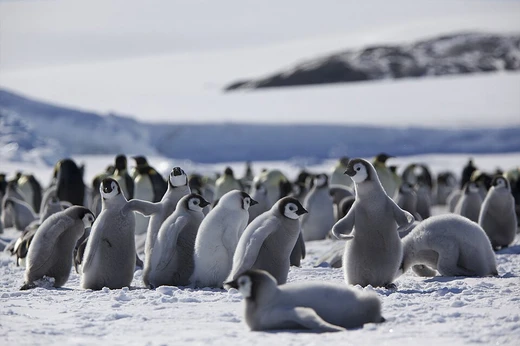
Hypercarnivore
Carnivore with a diet over 70% meat.

A hypercarnivore is a carnivorous animal whose diet consists of more than 70% meat, obtained through active predation or scavenging. The remaining portion may include non-animal foods such as fungi, fruits, or other plant material. This term is also used in paleobiology to describe taxa with an increased slicing component of their dentition relative to the grinding component.
- dietary_meat_threshold
- more than 70%
- examples
- crocodilians, owls, shrikes, eagles, vultures, felids, some wild canids, polar bears, toothed whales, snakes, spiders, scorpions, mantises, marlins, groupers, piranhas, most sharks
- domestic_cat_status
- hypercarnivore in its natural state
- not_necessarily_apex_predators
- salmon are exclusively carnivorous yet prey at all stages
- genetic_markers
- shared positive selection for DMP1 and PTN genes in mammals
- arachidonic_acid_biosynthesis
- incapable in lion, domestic cat, turbot, haematophagous mosquito
Lore & Background
Hypercarnivores include a wide range of extant species such as crocodilians, owls, shrikes, eagles, vultures, felids, some wild canids, polar bears, odontocetid cetaceans (toothed whales), snakes, spiders, scorpions, mantises, marlins, groupers, piranhas, and most sharks. Every species in the family Felidae, including the domesticated cat, is a hypercarnivore in its natural state. In domestic settings, cats may have a diet derived from only plant and synthetic sources using modern processing methods. Feeding farmed animals such as alligators and crocodiles mostly or fully plant-based feed is sometimes done to save costs or as an environmentally friendly alternative.
Reader's Guide
The concept of hypercarnivory is significant in understanding dietary specialization and evolutionary adaptations. Hypercarnivores are not necessarily apex predators; for example, salmon are exclusively carnivorous yet are prey at all stages of life. Genomic analysis of the Tasmanian devil, killer whale, polar bear, leopard, lion, tiger, cheetah, and domestic cat revealed shared positive selection for two genes related to bone development and repair (DMP1, PTN), not seen in omnivores or herbivores, indicating that stronger bone structure drives selection toward a predatory hypercarnivore lifestyle in mammals. Positive selection of one gene related to enhanced bone mineralization was found in the Scimitar-toothed cat. Animals that live almost exclusively on animal food are incapable of biosynthesizing arachidonic acid, a trait found in the lion, domestic cat, turbot, and haematophagous mosquito. In hypercarnivore mammals, the enzyme alanine:glyoxylate aminotransferase is expressed mainly or exclusively in the mitochondria, allowing glyoxylate to be metabolized from hydroxyproline in animal matter.
Did You Know?
- Every species in the family Felidae, including the domesticated cat, is a hypercarnivore in its natural state.
- Hypercarnivores are not necessarily apex predators; salmon are exclusively carnivorous yet are prey at all stages of life.
- Shared positive selection for genes DMP1 and PTN related to bone development and repair has been found in hypercarnivore mammals, but not in omnivores or herbivores.
More in Ecology And Behavior 1-24
Elsewhere in the Ecology And Behavior universe
Spotted an error? Know more?
This is a living reference — every entry is fact-audited, and reader corrections feed straight into our audit queue. Suggest an edit · See this site's audit record