Animal migration
Long-distance seasonal movement found across major animal groups.

ChrisBrayPhotography · CC BY-SA 4.0
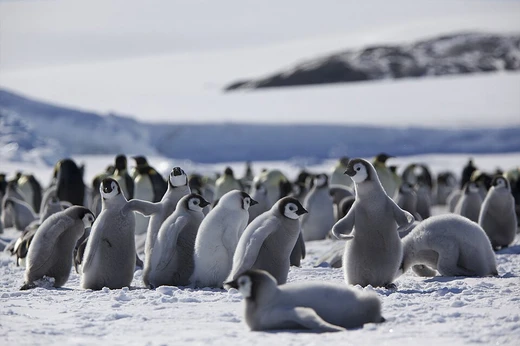
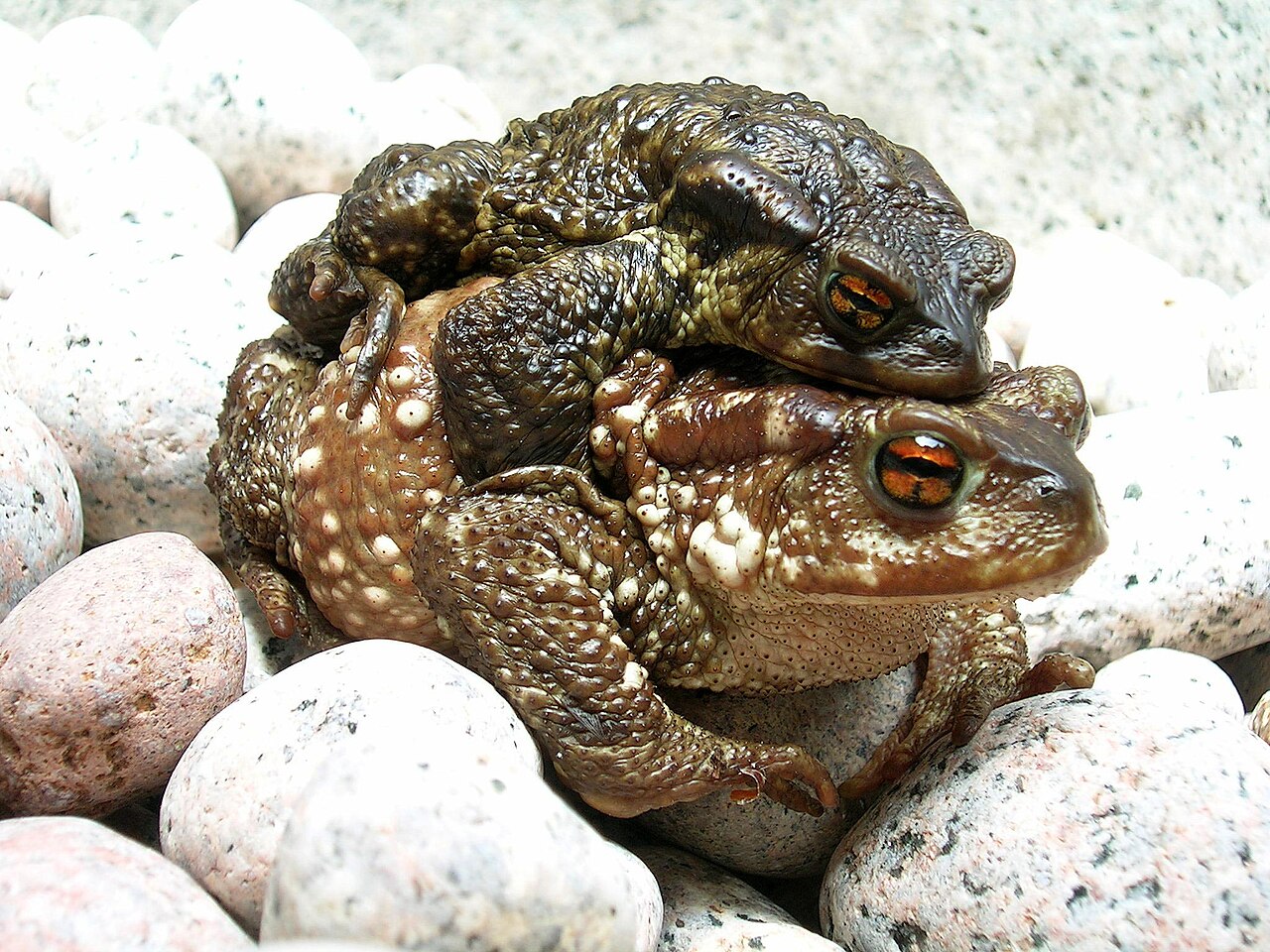
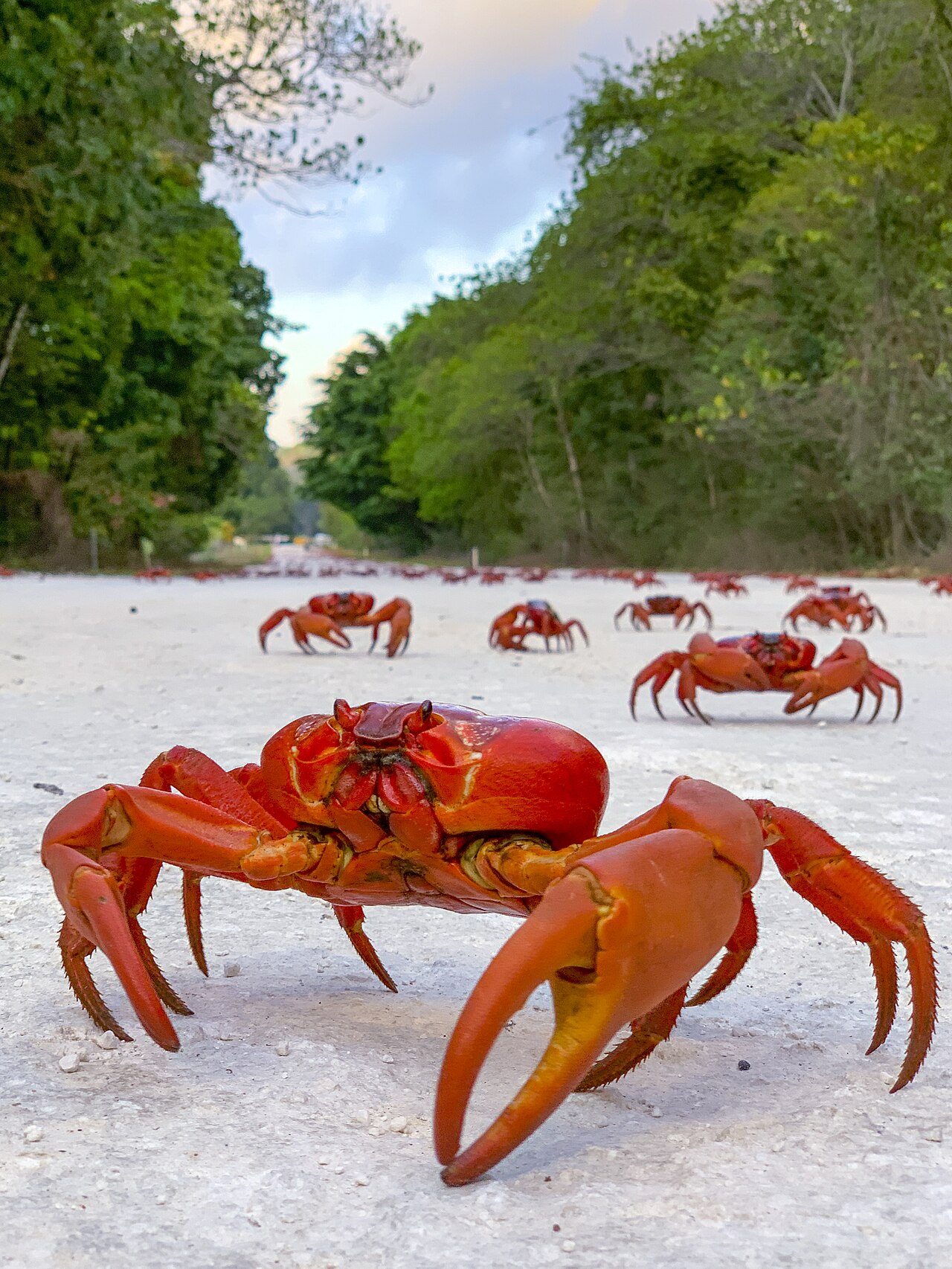
Animal migration is the relatively long-distance movement of individual animals, usually on a seasonal basis. It is the most common form of migration in ecology and is found in all major animal groups, including birds, mammals, fish, reptiles, amphibians, insects, and crustaceans. The cause of migration may be local climate, local availability of food, the season of the year, or mating.
- field
- Ecology
- known_for
- Seasonal long-distance movement of animals
- types
- Seasonal, circadian, tidal, diel
- groups
- Birds, mammals, fish, reptiles, amphibians, insects, crustaceans
- definition_proposed_by
- Zoologist J. S. Kennedy
Lore & Background
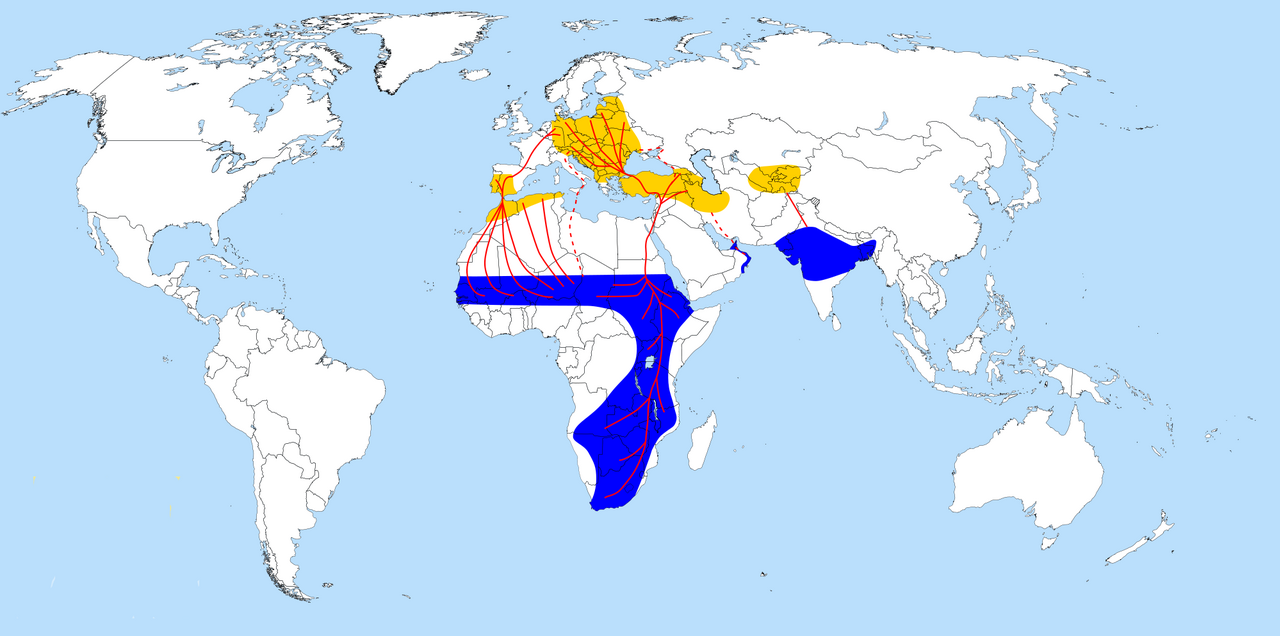
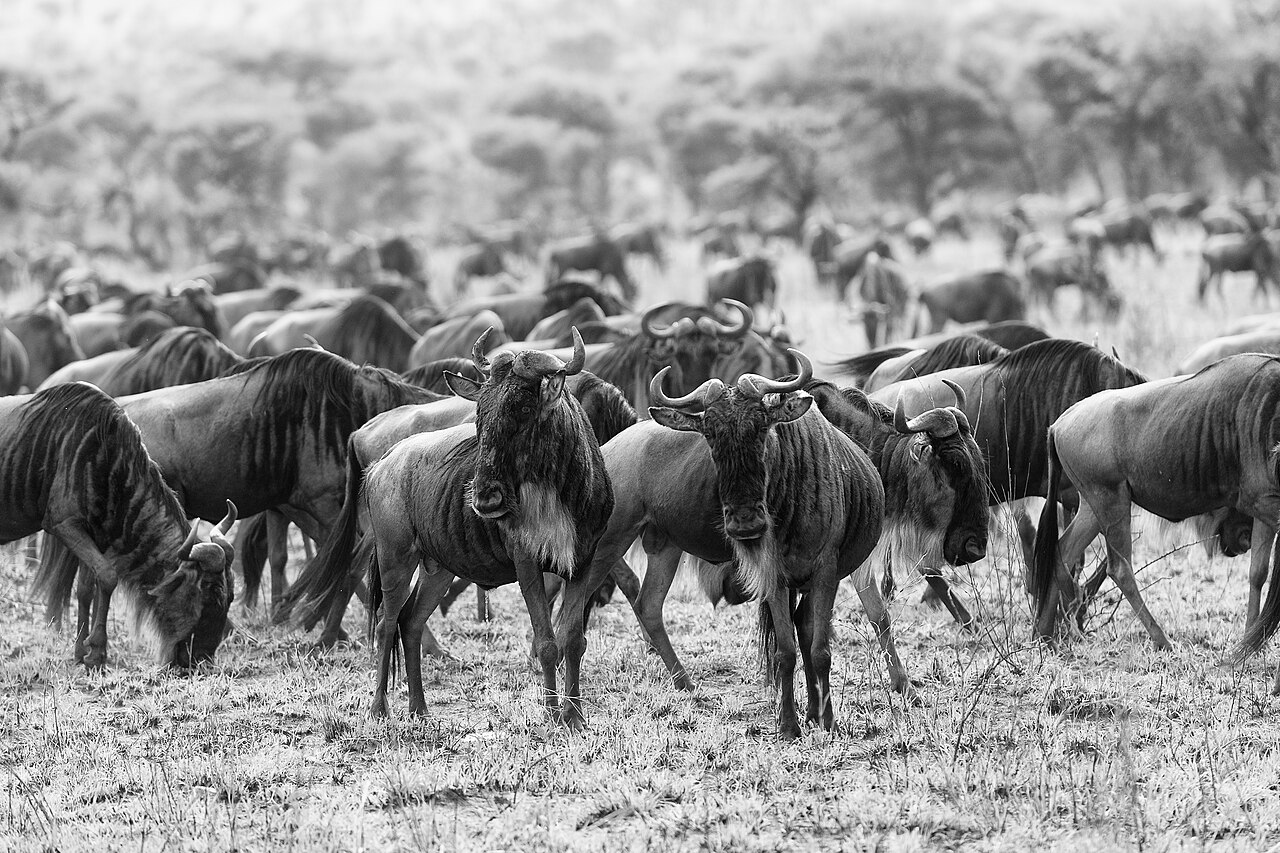
Before animal migration was understood, folklore explanations were formulated for the appearance and disappearance of some species, such as that barnacle geese grew from goose barnacles. Migrations can be studied using traditional identification tags such as bird rings, or tracked directly with electronic tracking devices. To be counted as a true migration, the movement should be an annual or seasonal occurrence, or a major habitat change as part of life. An annual event could include Northern Hemisphere birds migrating south for the winter, or wildebeest migrating annually for seasonal grazing. A major habitat change could include young Atlantic salmon or sea lamprey leaving the river of their birth when they have reached a few inches in size.
Reader's Guide
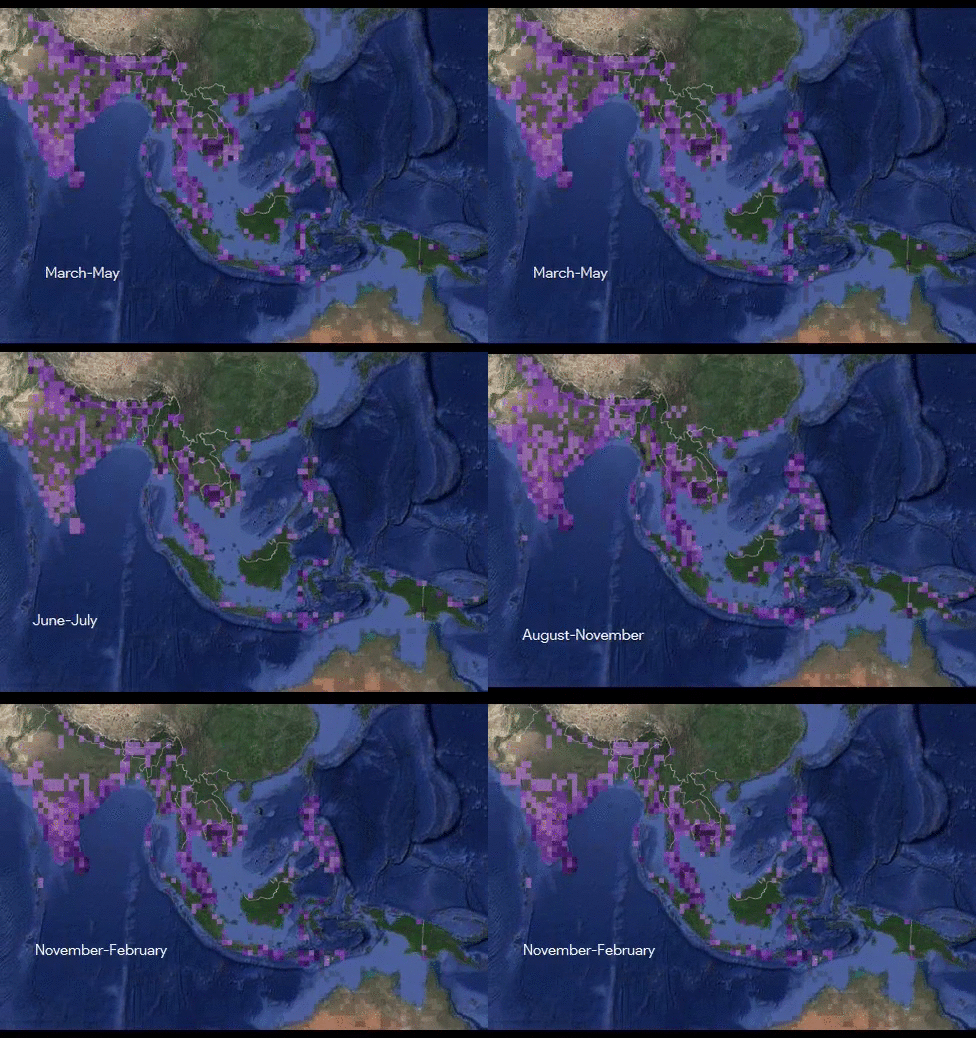
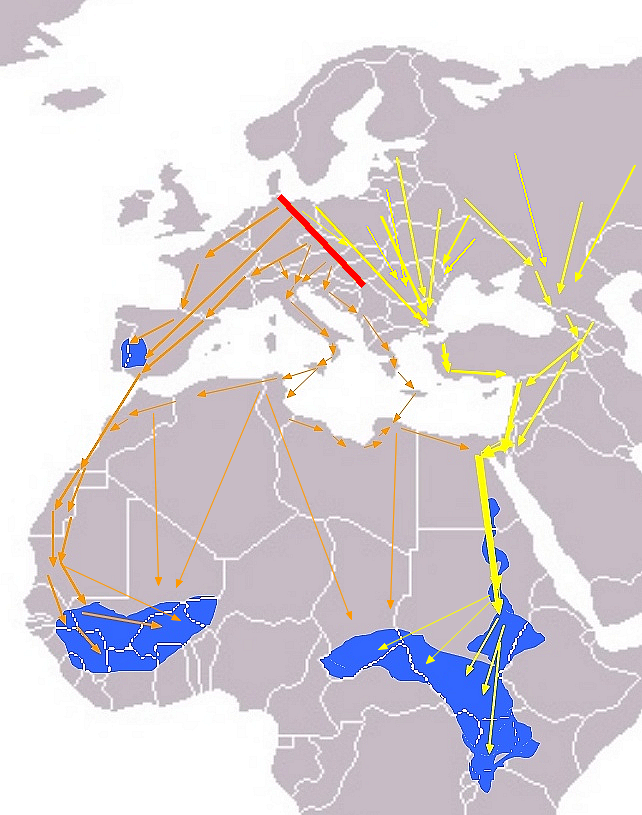
Animal migration encompasses four related concepts: persistent straight movement; relocation of an individual on a greater scale than its normal daily activities; seasonal to-and-fro movement of a population between two areas; and movement leading to the redistribution of individuals within a population. Migration can be obligate or facultative, and within a species, not all individuals may migrate. Seasonal migration is driven by resource availability and temperature, while circadian migration uses daily and annual rhythms. Tidal migration uses tides to move between habitats, and diel migration involves daily vertical or horizontal movements. Some insects, such as the globe skimmer dragonfly, make the longest ocean crossing of any insect. Among mammals, reindeer have one of the longest terrestrial migrations, and the Serengeti 'great migration' involves 1.7 million wildebeest and other large game.
Did You Know?
- The globe skimmer dragonfly makes the longest ocean crossing of any insect, between India and Africa.
- Some migratory butterflies, such as the monarch, do not complete the whole migration; successive generations continue it.
Navigating the Journey
Whether a young bird learns its route by following older flock members or a species carries its migratory path in its very genes, the question of how animals find their way across vast distances remains one of ecology's most fascinating puzzles. Despite the enormous diversity of organisms that migrate, researchers have noted considerable similarities in the cues that trigger different phases of the journey. External signals such as changing day length, known as photoperiod, and shifting weather patterns, combined with internal hormonal shifts, tell an organism that the time has come to move. Once underway, navigation itself draws on remarkable sensory tools: some species orient using magnetoreception, reading the Earth's magnetic field like a built-in compass, while others rely on olfaction, following scent trails to stay on course. Wind and thermal updrafts also play a critical practical role. Large birds and even tiny insects ride rising columns of warm air to cover long distances while conserving precious energy, and favorable tailwinds make the entire journey measurably easier. The interplay of these cues—genetic, sensory, atmospheric, and hormonal—creates a layered navigation system that has evolved across birds, fish, insects, and many other groups.
Four Patterns of Movement
Not every population moves in unison. Ecologists recognize four distinct migration patterns that describe how and when members of a species travel. In complete migration, the entire population leaves one region and returns later, a pattern seen in many Northern Hemisphere birds that head south each winter. Partial migration is more selective: only a subset of the population undertakes the journey while the rest remain in place year-round. Differential migration adds a layer of individual variation—every member does move, but the timing and distance differ depending on age or sex, so a young male might travel farther or depart earlier than a mature female. The fourth pattern, irruptive migration, is the most unpredictable. Here, movement happens only in certain years, triggered by shifts in climate or the sudden availability or scarcity of resources. A species that normally stays put might surge into new territory in one season and retreat the next. These four categories capture the full spectrum from rigid, population-wide cycles to opportunistic, year-to-year bursts of movement, and they help researchers make sense of the enormous variation observed across birds, fish, insects, mammals, and other mobile organisms.
Energy, Barriers, and the Cost of Travel
Migration is never free. An organism's energy expenditure and its rate of travel are directly intertwined, and both are shaped by the safety of the animal in transit. When a migrant encounters an ecological barrier along its route, it faces a critical trade-off: burn energy to cross the obstacle head-on, or spend that same energy detouring around it. The decision ripples into broader survival calculations. If the destination is a region where food or habitat is fiercely contested, the migrant must travel faster to arrive before competitors claim the best resources. That urgency, in turn, indirectly shapes the organism's overall fitness, because arriving in time increases the odds of both surviving the season and reproducing successfully. The inconsistency of seasonal changes and environmental events means these trade-offs shift from year to year, making migration a dynamic, high-stakes negotiation between energy budgets, physical obstacles, and the ever-present pressure of competition for limited resources.
Ripples Across Ecosystems
When a migratory species arrives in a new community, the ecological consequences can cascade far beyond a simple addition to the local food web. If the newcomers are abundant, they may become the primary prey for a resident predator, relegating other local species to a secondary role. That sudden influx of food can allow the predator's population to swell, with knock-on effects on every other prey species it hunts—even after the migrants eventually return to their original location. The reverse dynamic also plays out: when a resident species suffers a seasonal food shortage and its numbers drop, the resulting gap in the community opens a window for a new migratory species to move in and exploit the suddenly available resources. Migration is not merely a one-way journey for the traveler; it reshapes competitive hierarchies, predator-prey balances, and population sizes across entire ecosystems. And the impact is not always benign. Migratory species can carry diseases over long distances, transporting pathogens from their original habitat into communities with no prior exposure, adding a hidden cost to what might otherwise seem like a simple seasonal passage.
Gallery
Frequently Asked Questions
What is Animal migration in ecology?
Animal migration describes the long-distance, typically seasonal movement of individual animals between regions. It stands as the most widely observed migration pattern in ecology and occurs across virtually every major animal group.
Who is credited with proposing the formal definition of Animal migration?
Zoologist J. S. Kennedy is recognized for putting forward the formal definition, characterizing it as the relatively long-distance movement of individual animals, usually tied to a seasonal cycle.
Which animal groups are known to migrate?
Migration has been documented in birds, mammals, fish, reptiles, amphibians, insects, and crustaceans. This breadth makes it one of the most universal behavioral patterns across the animal kingdom.
What triggers animals to migrate?
Common drivers include shifts in local climate, changes in food availability, the turning of the season, and the need to locate mating partners. These factors frequently overlap, so a single journey can be motivated by several of them at once.
What types of migration are recognized beyond the classic seasonal form?
Ecologists also identify circadian, tidal, and diel migration patterns in addition to the well-known seasonal long-distance movement. Seasonal migration nonetheless remains the most common and most-studied type across animal groups.
More in Ecology And Behavior 1-24
Elsewhere in the Ecology And Behavior universe
Spotted an error? Know more?
This is a living reference — every entry is fact-audited, and reader corrections feed straight into our audit queue. Suggest an edit · See this site's audit record