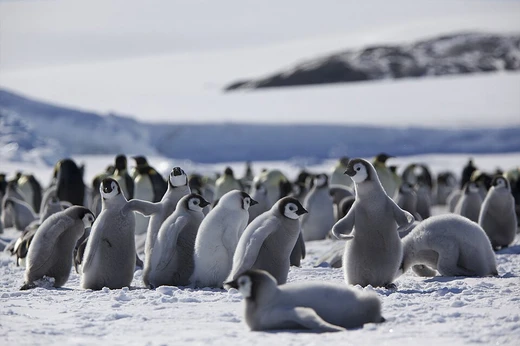
Animal locomotion
Methods animals use to move, from swimming to soaring.

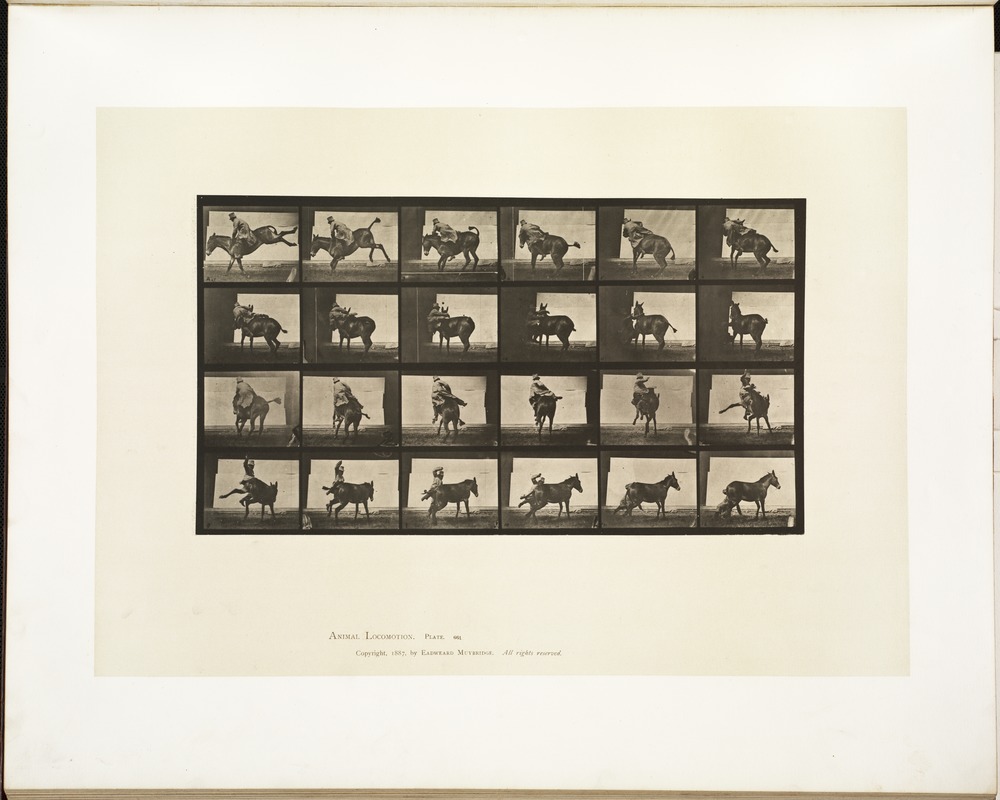
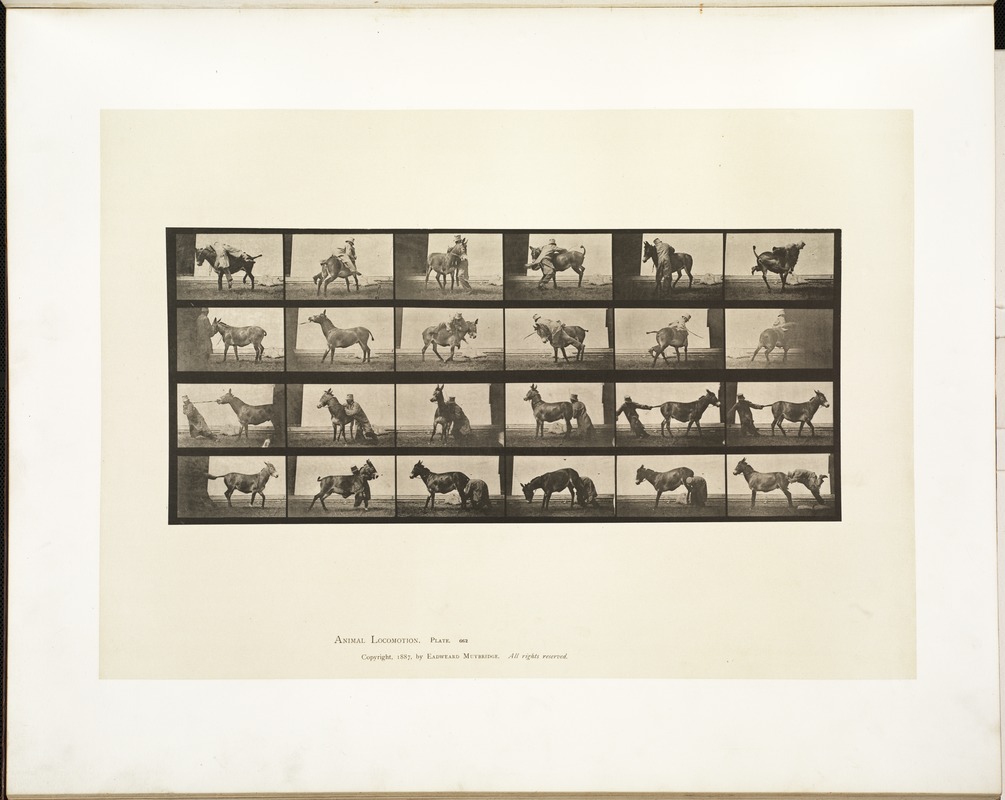
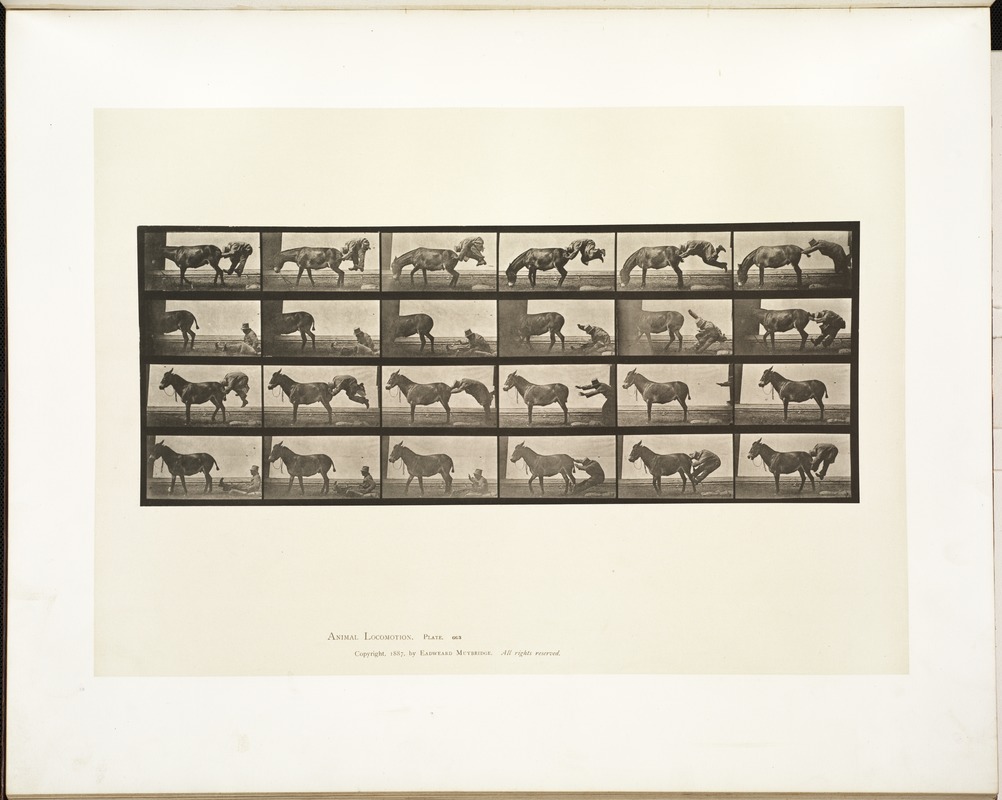
Eadweard Muybridge · Public domain
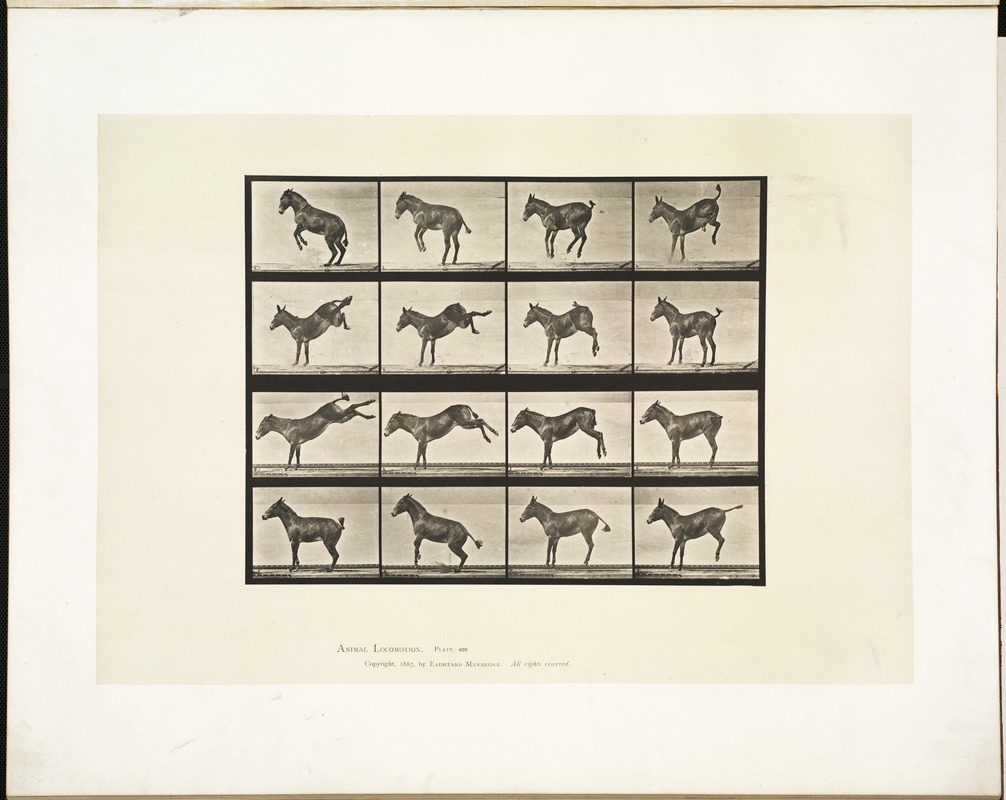
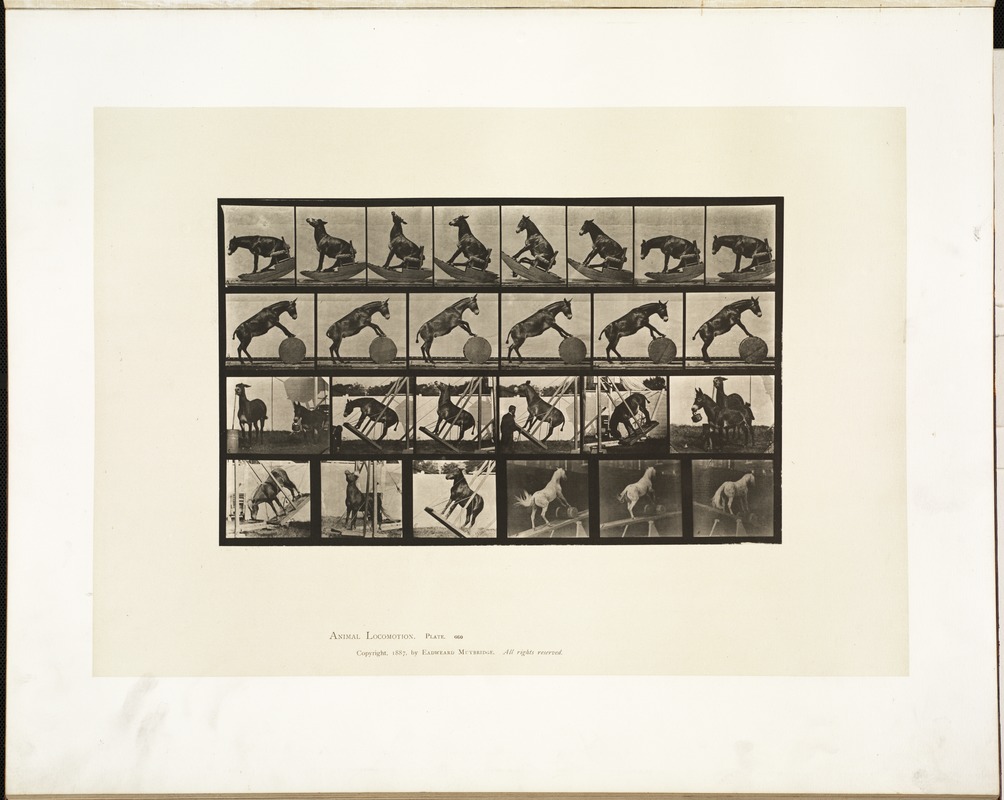
Animal locomotion encompasses the diverse methods animals use to move from one place to another, including self-propelled modes such as running, swimming, jumping, flying, hopping, soaring, and gliding, as well as passive locomotion like sailing, kiting, rolling, or riding other animals. This field of ethology examines how movement is essential for survival, influencing natural selection to shape efficient or fast locomotion mechanisms depending on an animal's ecological needs.
- field
- Ethology
- known_for
- Study of animal movement methods including swimming, flying, gliding, and terrestrial locomotion
- key_modes
- Self-propelled (running, swimming, jumping, flying, hopping, soaring, gliding) and passive (sailing, kiting, rolling, phoresis)
- aquatic_examples
- Fish (oscillating body), marine mammals (dorso-ventral oscillation), cephalopods (jet propulsion)
- aerial_examples
- Insects, pterosaurs, birds, bats (active flight); gliding animals in invertebrates, reptiles, amphibians, mammals
- terrestrial_examples
- Walking, running, hopping, jumping, dragging, crawling, slithering
Lore & Background
Animal locomotion is studied in ethology as a variety of methods animals use to move from one place to another. Some modes are self-propelled, such as running, swimming, jumping, flying, hopping, soaring, and gliding, while others depend on the environment for transportation, termed passive locomotion—examples include sailing (some jellyfish), kiting (spiders), rolling (some beetles and spiders), or riding other animals (phoresis). Animals move for reasons including finding food, a mate, a suitable microhabitat, or escaping predators, and natural selection has shaped locomotion methods accordingly: migratory animals like the Arctic tern have energy-efficient mechanisms, while non-migratory animals that need speed for escape have energetically costly but fast locomotion.
Reader's Guide
The study of animal locomotion reveals how anatomical structures—cilia, legs, wings, arms, fins, or tails—serve as locomotory organs. In aquatic environments, buoyancy and drag influence swimming, with fish using body oscillation and tail fins for thrust, while marine mammals oscillate dorso-ventrally. Benthic locomotion includes walking on the seabed, as seen in echinoderms using tube feet and crabs walking sideways due to leg articulation. Aerial locomotion faces gravity, with active flight evolving independently in insects, pterosaurs, birds, and bats, while gliding has evolved more frequently across taxa. Terrestrial locomotion requires strong skeletal and muscular frameworks for support, with forms including walking, running, hopping, and crawling. The diversity of locomotion methods underscores the adaptive significance of movement for survival across environments.
Did You Know?
- Some crabs, notably Portunidae and Matutidae, are capable of swimming, with their last pair of walking legs flattened into swimming paddles.
- The stomatopod Nannosquilla decemspinosa can escape by performing a backward somersaulting behavior, though it is not a self-propelled wheel.
- The neon flying squid has been observed to glide for distances over 30 meters, though typical speeds are lower than 11.2 m/s.
Evolutionary Origins and Rise to Dominance
Mammals trace their lineage back through a long evolutionary chain stretching into deep geological time. Their ancestors diverged from the line leading to reptiles and birds during the Carboniferous period, more than 300 million years ago. Early synapsids, often called pelycosaurs, eventually gave way to more advanced therapsids that became dominant during the Guadalupian. From these therapsids, specifically a group known as cynodonts, true mammals emerged during the Late Triassic into the Early Jurassic. For millions of years, these early forms coexisted with dinosaurs, but it was only after the non-avian dinosaurs went extinct that mammals exploded into their modern diversity during the Paleogene and Neogene periods of the Cenozoic era. Since that pivotal moment roughly 66 million years ago, mammals have held the position of the dominant terrestrial animal group on Earth, a streak of ecological supremacy that continues to this day.
The Spectrum of Locomotion and Body Plans
The fundamental mammalian body plan is built around quadrupedal movement, with four limbs serving as the primary means of terrestrial travel. Yet evolution has pushed this basic architecture into remarkable variety. Some species have reshaped their limbs into flippers for oceanic life, while others have developed wings for flight. Still others have adapted their forelimbs for climbing through dense canopies or for burrowing beneath the soil. A subset of mammals, including humans, has transitioned to bipedal locomotion, relying solely on the two lower limbs for movement. At the extreme, the rear limbs of cetaceans and sea cows have reduced to mere internal vestiges, no longer serving any external locomotive function. This diversity is matched by staggering variation in body size, spanning from the tiny bumblebee bat at 30 to 40 millimetres to the blue whale, which reaches approximately 30 metres and may be the largest animal to have ever existed. Lifespan follows a similar gradient, from a shrew's roughly two years to a bowhead whale's extraordinary 211 years.
Taxonomic Diversity and Classification Challenges
The classification of mammals has undergone numerous revisions since Carl Linnaeus first defined the class in 1758, drawing the name from the Latin word for breast or teat. Today, no single taxonomic framework commands universal agreement among scientists. Simpson's 1945 system dominated teaching for decades, but the rise of cladistics and new paleontological evidence have progressively eroded its authority. More recent compendiums by McKenna and Bell in 1997 and Wilson and Reeder in 2005 offer updated perspectives, yet debates persist. The six most species-rich orders all fall within the placental group, with rodents, bats, and eulipotyphlans leading in numerical diversity. Species counts have climbed steadily: 5,416 in 2006, 5,488 in the IUCN's 2008 assessment, and 6,495 by a 2018 Journal of Mammalogy study that included 96 recently extinct taxa. Timothy Rowe's 1988 phylogenetic definition, anchoring Mammalia to the crown group of living monotremes and therians, further complicated matters by excluding Triassic fossils previously assigned to the class.
The Human-Mammal Relationship and Conservation
The domestication of mammals by humans stands as one of the most transformative events in human history, driving the Neolithic Revolution and shifting societies from nomadic hunting and gathering to sedentary farming. This transition enabled larger cooperative groups, the rise of civilizations, and a deep interdependence between species. Domesticated animals have provided transport power, agricultural labor, meat, dairy, fur, and leather for millennia. Beyond utility, mammals serve as pets, racing animals, scientific model organisms, and enduring subjects of art, literature, mythology, and religion, with depictions stretching back to Paleolithic cave paintings. Yet this intimate relationship carries a dark counterweight. The decline and outright extinction of numerous mammal species is overwhelmingly driven by human activities, particularly poaching and habitat destruction, with deforestation cited as a primary force. The very species that shaped human civilization now face unprecedented pressure from the consequences of that civilization's expansion.
Gallery
Frequently Asked Questions
What is Animal locomotion in ethology?
Animal locomotion is the branch of ethology that examines how animals travel from one location to another, covering everything from a cheetah sprinting to a jellyfish drifting on currents. It treats movement as a fundamental survival skill that natural selection has shaped over millions of years.
What are the main categories of animal locomotion?
The field splits movement into self-propelled modes—such as running, swimming, jumping, flying, hopping, soaring, and gliding—and passive ones like sailing, kiting, rolling, or hitching a ride on another animal (phoresis). Which category an animal relies on depends heavily on its body plan and habitat.
How do different aquatic animals swim?
Fish typically undulate their whole body side-to-side to push water backward, while marine mammals like dolphins and whales flex their bodies up and down in a dorso-ventral oscillation. Cephalopods such as squid take a different route entirely, expelling water through a siphon for jet propulsion.
What's the difference between active flight and gliding?
Active flight—seen in insects, birds, bats, and the extinct pterosaurs—requires continuous muscle-driven wing beats to generate lift. Gliding, by contrast, is a passive descent where an animal catches air with a stretched membrane or limb and lets gravity carry it forward without flapping.
Why is studying animal locomotion important for understanding evolution?
Because movement directly affects an animal's ability to find food, escape predators, and reach mates, natural selection has repeatedly fine-tuned locomotion mechanisms for either speed or energy efficiency. Understanding these trade-offs helps ecologists predict how species will adapt as their environments shift.
More in Ecology And Behavior 1-24
Elsewhere in the Ecology And Behavior universe
Spotted an error? Know more?
This is a living reference — every entry is fact-audited, and reader corrections feed straight into our audit queue. Suggest an edit · See this site's audit record