Personal grooming
Personal grooming is cleaning and maintaining body parts.

Stacy1John · CC0
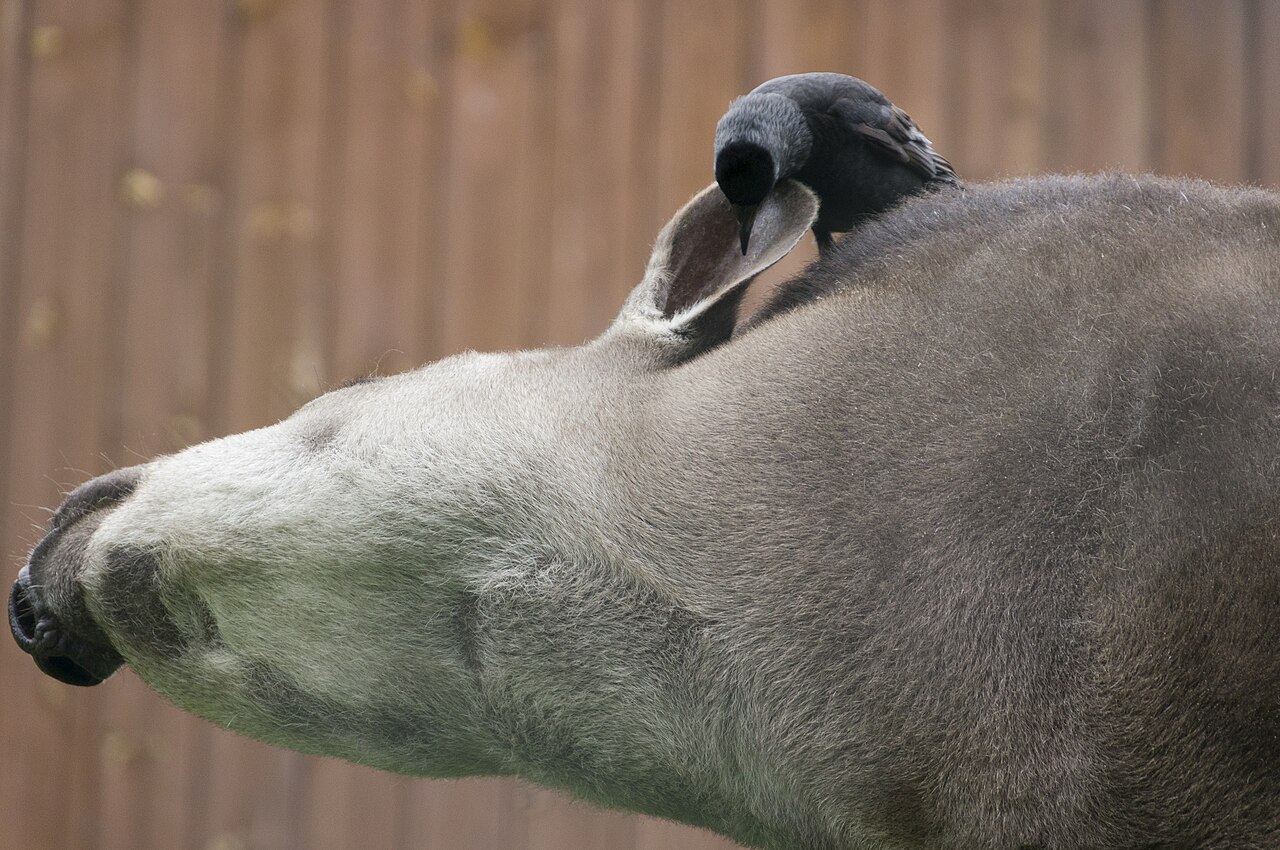
Personal grooming, also called preening, is the practice of cleaning and maintaining parts of the body. It is a species-typical behavior observed across many animals, including humans, and serves both hygienic and social functions.
- definition
- Cleaning and maintaining parts of the body
- also_known_as
- Preening
- type
- Species-typical behavior
- observed_in
- Animals, including birds, mammals, insects, and humans
- functions
- Hygiene, social bonding, pair bonding
Lore & Background
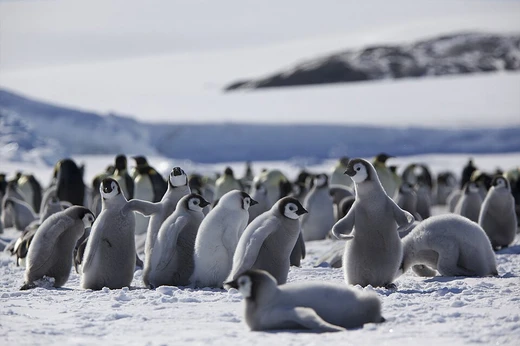
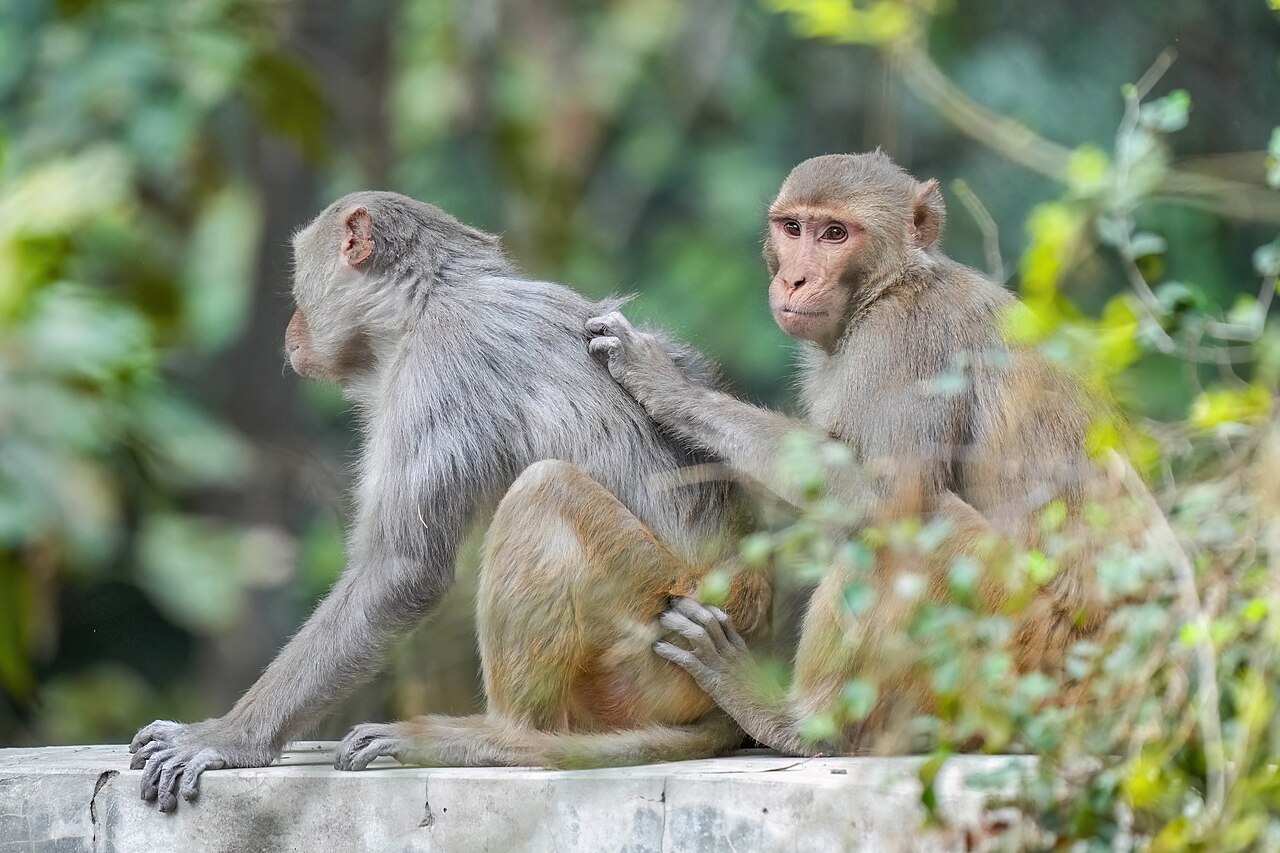
Individual animals regularly clean themselves and put their fur, feathers or other skin coverings in good order. This activity is known as personal grooming, a form of hygiene. Extracting foreign objects such as insects, leaves, dirt, twigs and parasites is a form of grooming. Among animals, birds spend considerable time preening their feathers to remove ectoparasites, keep feathers in good aerodynamic condition, and waterproof them. They use preen oil secreted by the uropygial gland, the dust of down feathers, or other means such as dust-bathing or anting. During oil spills, conservationists sometimes dress rescued penguins in knitted sweaters to stop them from preening and ingesting poisonous mineral oil. Monkeys may pick out nits from their fur or scratch their rears to keep themselves clean. Cats groom so often that they often produce hairballs from ingested fur. Many mammal species also groom their genitals after copulation.
Reader's Guide
Personal grooming is a fundamental behavior across species, serving both hygienic and social purposes. In animals, it maintains physical condition—birds preen for aerodynamic efficiency and waterproofing, while Drosophila execute grooming in a predictable suppression hierarchy, prioritizing cleaning of sensory organs like eyes and antennae. This hierarchy prevents simultaneous conflicting behaviors but allows return to earlier steps. In humans, mutual grooming relates to social bonding, pair bonding, and caregiving. Research indicates that romantic partners who groom each other more frequently report higher relationship satisfaction and trust. Cross-cultural studies show differences in caregiver-to-child grooming: Burmese caregivers groom children more often and more evenly throughout daily activities compared to U.S. caregivers, who concentrate grooming during hygiene-focused routines like bath time. The significance of personal grooming lies in its dual role—maintaining physical health and reinforcing social structures, from primate bonding to human pair bonding and parenting.
Did You Know?
- Birds use preen oil from the uropygial gland to waterproof their feathers.
- Drosophila groom in a predictable sequence starting with the eyes and antennae.
- Cats often produce hairballs from the fur they ingest during grooming.
- During oil spills, penguins are sometimes dressed in knitted sweaters to prevent them from preening and ingesting poisonous oil.
The Biology of Self-Grooming
Grooming, also referred to as preening, is a species-typical behavior in which animals clean and maintain their bodies. Birds devote substantial time to this process, working to eliminate ectoparasites, preserve the aerodynamic shape of their plumage, and render it waterproof. They accomplish this through preen oil produced by the uropygial gland, the fine dust shed from down feathers, or techniques such as dust-bathing and anting. Cats, perhaps the most recognizable example, groom so thoroughly and frequently that they regularly swallow enough fur to form hairballs. Monkeys, meanwhile, pick nits from their coats and scratch their rears to stay clean. Even tiny flies in the genus Drosophila follow a remarkably consistent grooming sequence: front legs sweep the eyes, head, and antennae first, then hind legs attend to the abdomen, wings, and thorax, with periodic leg-rubbing to shed accumulated dust. Researchers describe this as a suppression hierarchy, where earlier behaviors block later ones from occurring simultaneously. The ordering appears tied to biological priority, with sensory organs like eyes and antennae cleaned first to protect their function.
Grooming as Social Bonding in the Animal Kingdom
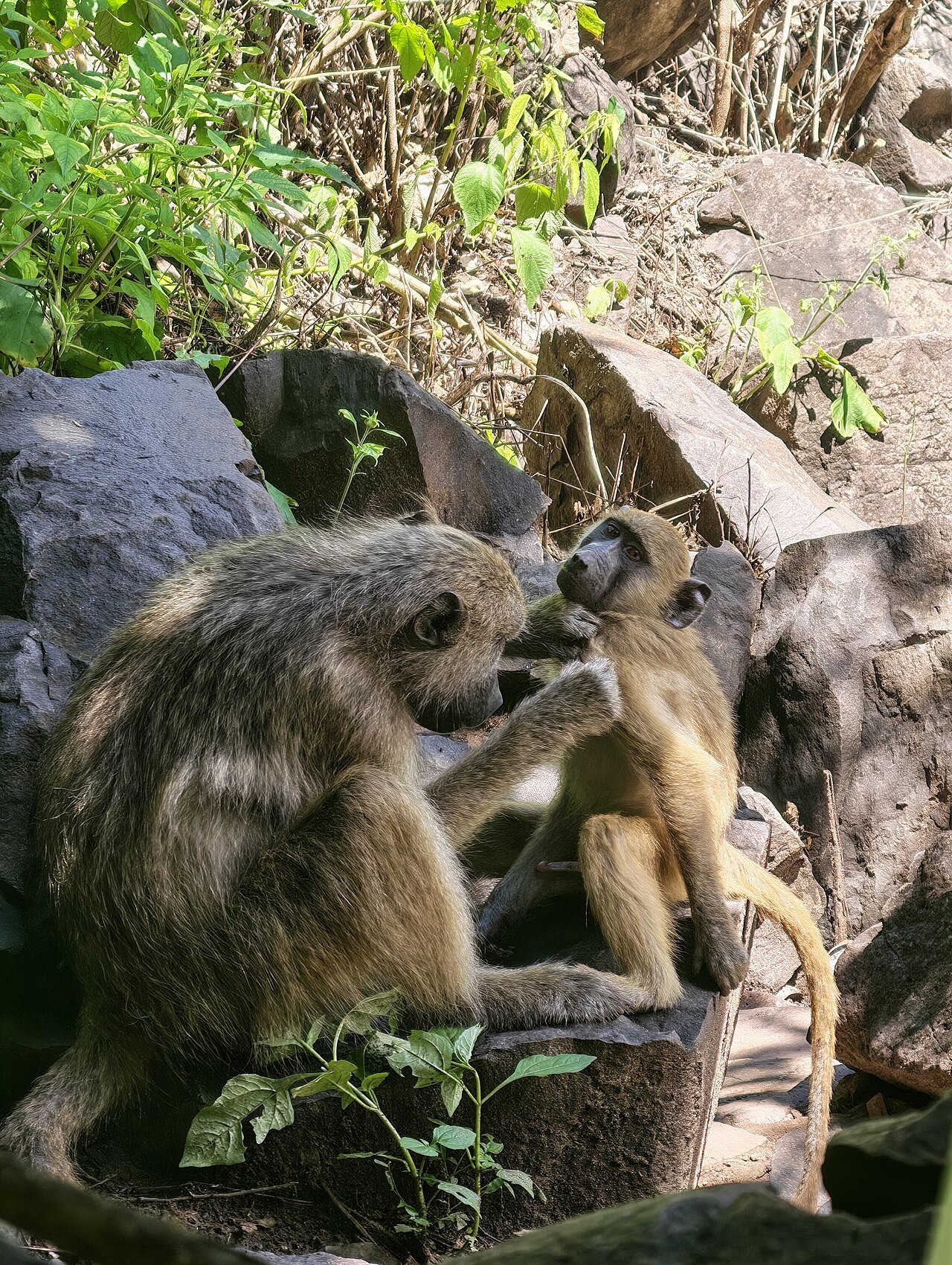
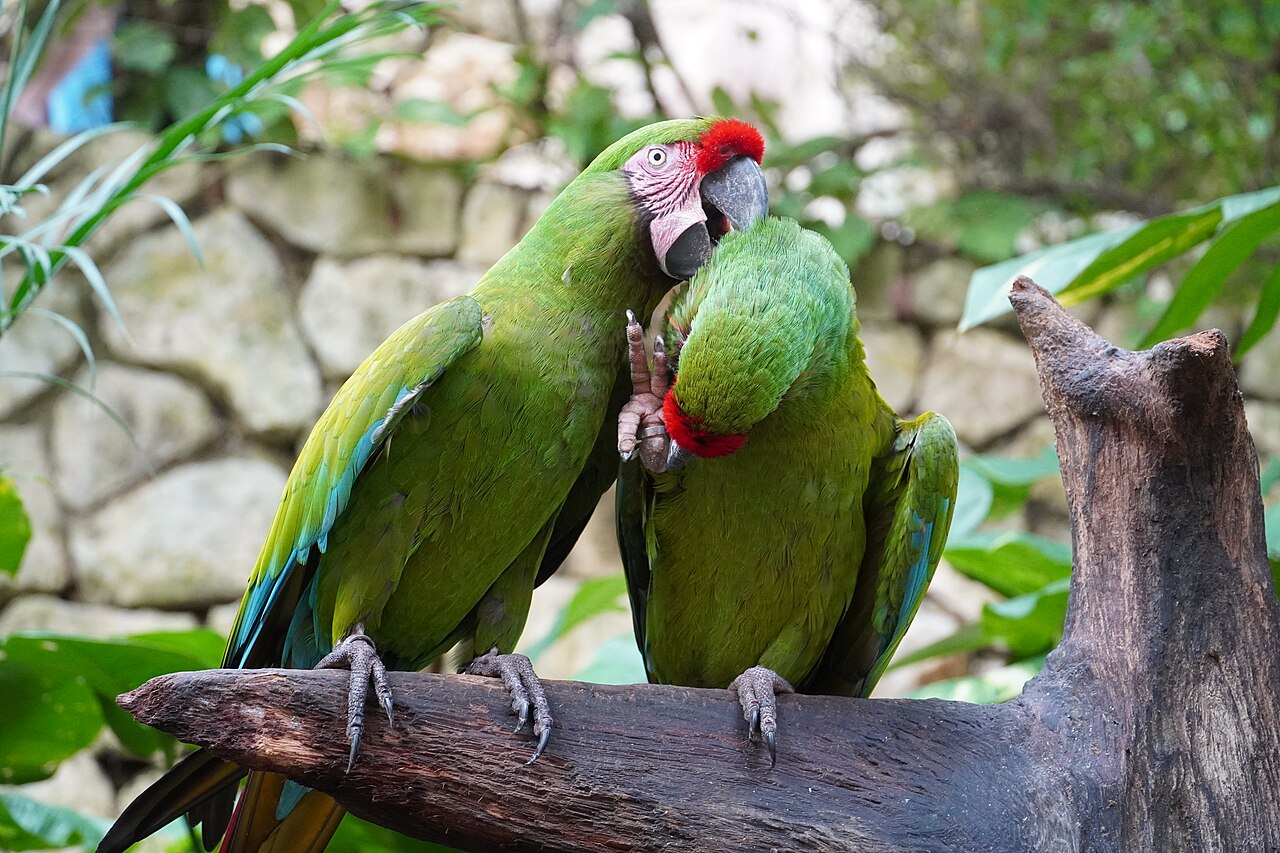
While self-grooming serves basic hygiene, many social animals have repurposed the behavior into a tool for building and reinforcing relationships. In numerous primate species, mutual grooming is a cornerstone of social cohesion. Chacma baboons and wedge-capped capuchins, for instance, rely heavily on this practice to form and maintain bonds within their groups. The act of one individual cleaning another's fur goes far beyond removing debris; it functions as a social signal that strengthens hierarchies, eases tensions, and cements alliances. This transformation of a purely hygienic act into a social ritual highlights how deeply grooming is woven into the fabric of animal community life. The behavior also appears in other contexts: many mammal species clean their genitals after copulation, and conservationists have observed that penguins rescued from oil spills sometimes need to be dressed in knitted sweaters to prevent them from preening and ingesting toxic mineral oil. These examples underscore that grooming is not merely about cleanliness but is a multifaceted behavior with ecological, social, and even medical dimensions.
Mutual Grooming in Human Relationships
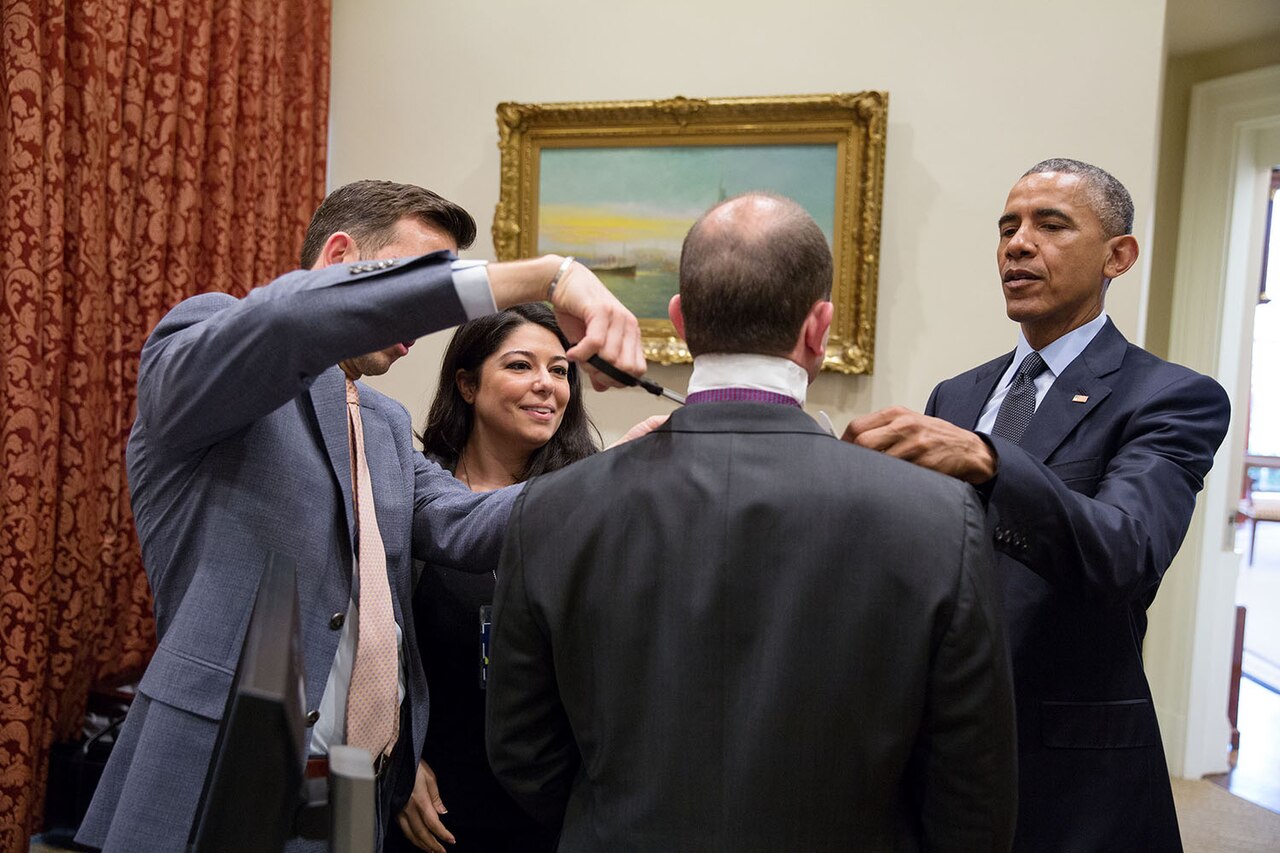
Although humans do not groom one another with the visible intensity seen in other species, research suggests we are, in the words of one study, "groomers par excellence." Holly Nelson at the University of New Hampshire found that individuals who selected their romantic partner reported significantly more mutual grooming than those in other relationship types. The study linked this behavior to relationship satisfaction, trust, and the warmth of one's family upbringing, positioning mutual grooming as a key mechanism in pair bonding. Interestingly, participants who held more promiscuous attitudes or scored high on the anxiety sub-scale of an adult attachment measure tended to groom their partners more often. The researchers interpreted these patterns through the lens of grooming's broader functions: signaling parental quality, building trust, and facilitating courtship or flirtation. In essence, the small, everyday acts of helping a partner fix their hair, brush off a speck of lint, or adjust a collar may represent a deeply rooted instinct that continues to shape how humans connect, reassure, and bond with one another.
Cross-Cultural Patterns in Caregiver Grooming
A landmark study by Seinenu Thein-Lemelson at the University of California, Berkeley, brought an ethological lens to the question of how human grooming varies across cultures. Using video focal follows of children engaged in routine daily activities, the research compared urban families in Burma and the United States, coding every observed grooming behavior. The findings revealed striking differences: Burmese caregivers groomed their children far more frequently than their American counterparts. In the United States, children experienced brief, concentrated bursts of grooming tied to explicitly structured hygiene moments such as bath time. By contrast, Burmese children received grooming that was spread more evenly throughout and across their daily routines. Burmese parents also displayed a constant vigilance regarding the risk of infection. Thein-Lemelson's work stands out as the only study of human grooming to rely on naturalistic data rather than self-report, offering a rare window into how cultural context shapes one of humanity's most intimate caregiving behaviors.
Gallery

Frequently Asked Questions
What is Personal grooming in ecology and behavior?
Personal grooming refers to the act of cleaning and maintaining various parts of the body. It is a species-typical behavior rather than a learned skill, meaning it appears naturally across many animal groups without the need for training.
What is Personal grooming also called?
The behavior is commonly known as preening. This alternative term is widely used in ornithology and zoology to describe the same self-maintenance activity.
Which animals exhibit Personal grooming?
The behavior is observed across a broad range of species, including birds, mammals, insects, and humans. Its presence in such diverse taxonomic groups underscores how fundamental it is to animal life.
What functions does Personal grooming serve?
Beyond basic hygiene, grooming plays a key role in social bonding between individuals and in pair bonding within mating relationships. This dual purpose makes it more than just a cleaning ritual.
Is Personal grooming a fixed, species-typical behavior?
Yes, it is classified as species-typical, meaning members of a given species will naturally perform it without instruction. It is one of the foundational behaviors cataloged in the Ecology and Behavior series.
More in Ecology And Behavior 25-38
Elsewhere in the Ecology And Behavior universe
Spotted an error? Know more?
This is a living reference — every entry is fact-audited, and reader corrections feed straight into our audit queue. Suggest an edit · See this site's audit record