Predation
Predators kill and eat other organisms, driving evolution.

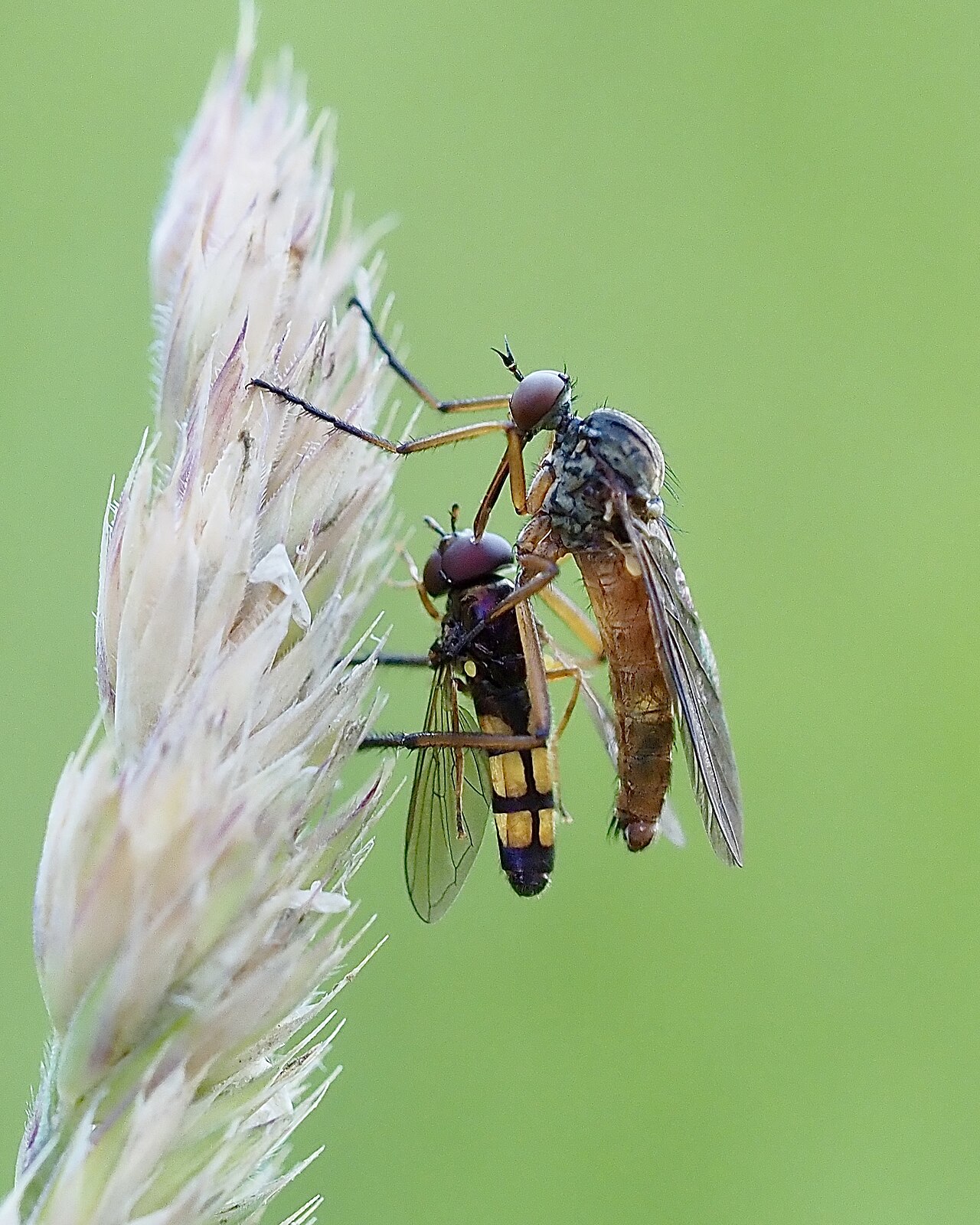
InsektenDoku · CC BY-SA 4.0
Predation is a biological interaction in which one organism, the predator, kills and eats another organism, its prey. This relationship is one of a family of common feeding behaviors that includes parasitism, micropredation, and parasitoidism, and it overlaps with herbivory in cases such as seed predation and destructive frugivory. Predation has been a major driver of evolution since at least the Cambrian period, shaping adaptations in both predators and prey through an evolutionary arms race.
- type
- Biological interaction
- key_organisms
- Predators (e.g., mammals, birds, arthropods, cnidarians, plants, fungi, protozoa, bacteria)
- prey_types
- Other organisms (including seeds, eggs, phytoplankton, and microorganisms)
- distinct_from
- Scavenging, parasitism (typically non-lethal), parasitoidism (always lethal)
- evolutionary_role
- Major driver of evolution since the Cambrian
Lore & Background
Predation behavior varies significantly depending on the organism. Many predators, especially carnivores, have evolved distinct hunting strategies such as pursuit predation, which involves active search and pursuit, and ambush predation, where predators wait for prey and use stealth or aggressive mimicry. Other predators are opportunistic or omnivorous and only practice predation occasionally. Most obligate carnivores are specialized for hunting, possessing acute senses, sharp claws or jaws, and physical strength, along with adaptations like stealth, endurance, intelligence, social behavior, and aggressive mimicry.
Reader's Guide
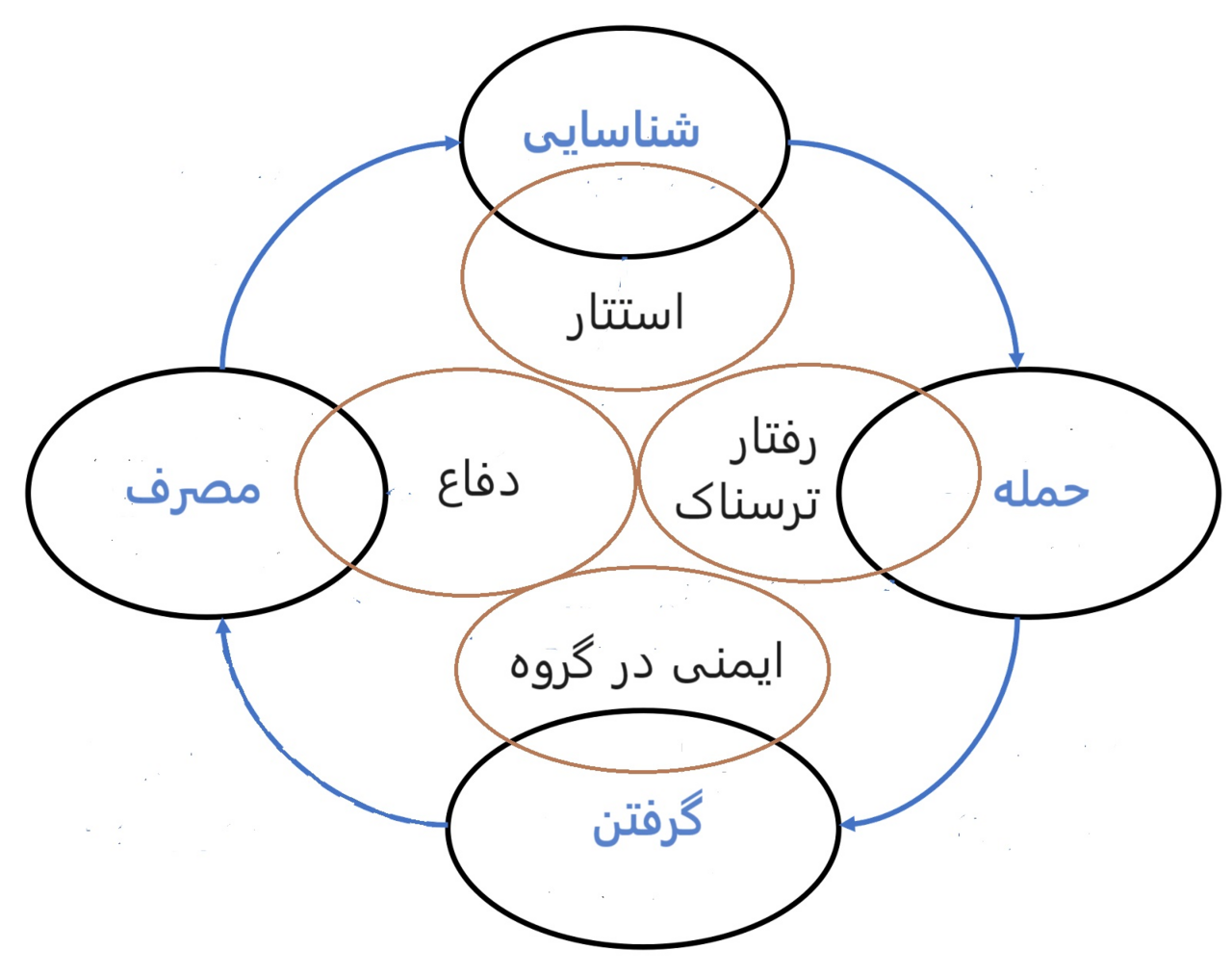
Predation has a powerful selective effect on prey, leading to anti-predator adaptations such as warning coloration, alarm calls, camouflage, mimicry, and defensive spines and chemicals. This often results in an evolutionary arms race between predator and prey. The concept of predation is broad and includes seed predation, egg predation, and carnivorous plants and fungi, while excluding scavengers and most herbivores. Predators are found across a wide range of taxa, including mammals, birds, arthropods, cnidarians, echinoderms, crustaceans, cephalopods, plants, fungi, protozoa, and bacteria. Foraging involves search, pursuit, and handling, with strategies ranging from sit-and-wait to active foraging, often following patterns like the Lévy walk. The decision to pursue prey depends on costs and benefits, including prey size and energy expenditure.
Did You Know?
- Predation has been a major driver of evolution since at least the Cambrian period.
- Some predators, such as the jackal and hyena, also scavenge when the opportunity arises.
- Carnivorous plants like the Venus fly trap use food traps, mechanical stimulation, and electrical impulses to catch prey.
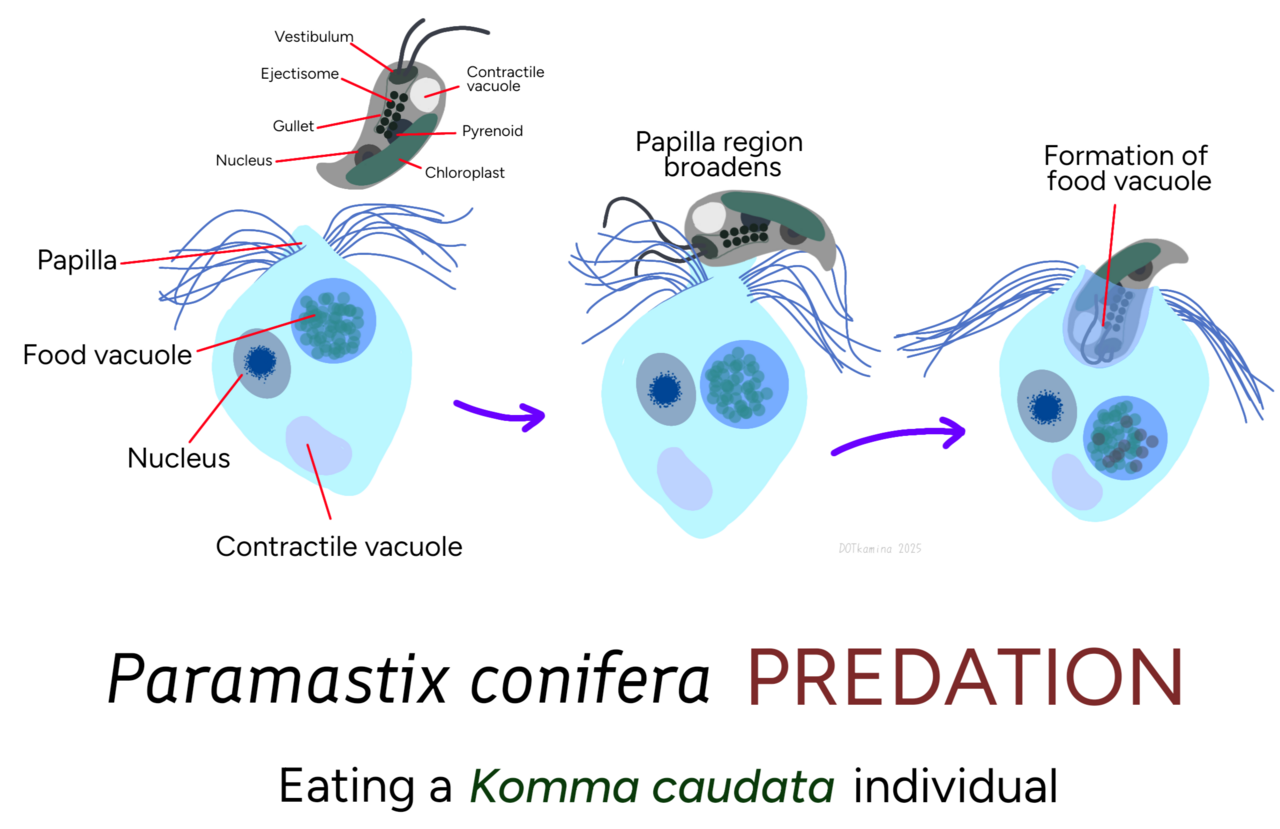
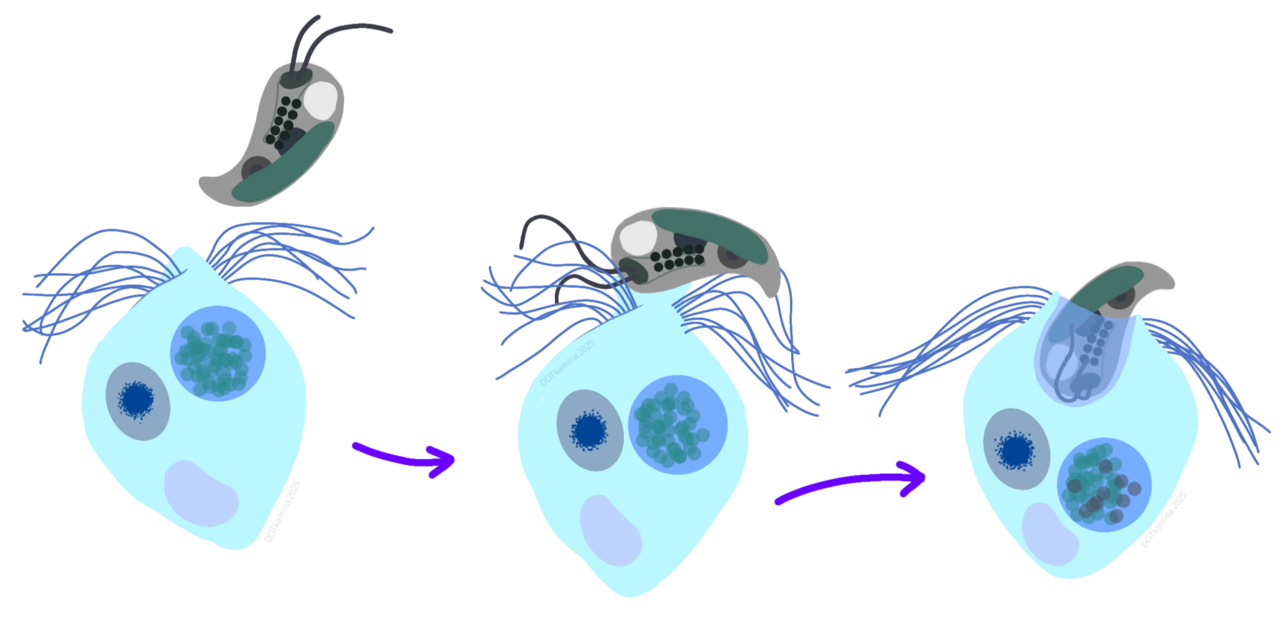
- Many species of protozoa and bacteria prey on other microorganisms, an ancient feeding mode.
The Strategic Calculus of the Chase
Pursuit predation represents one of nature's most dynamic hunting strategies, standing in contrast to the ambush approach. Rather than relying on concealment or surprise, pursuit predators depend on superior speed, endurance, or coordinated teamwork to bring down their quarry. The chase can be triggered in two ways: either the predator initiates the pursuit, or the prey, having detected the hunter, bolts to escape before being cornered. The outcome is binary—either the predator closes the gap and tackles the prey, or it abandons the attempt after the prey outruns it. Among the many tactical decisions a pursuit predator faces, one of the most consequential is how to manage metabolic expenditure. Some hunters burn through their energy reserves in a rapid burst, typically stalking their target at a slow pace first to minimize the distance before unleashing a full sprint. Others adopt a pacing strategy, spreading their effort over a longer chase. This choice is shaped by the species of prey, the season, and the time of day. A particularly notable variant is persistence hunting, in which the predator follows its target at a steady, unhurried pace, gradually wearing it down through accumulated fatigue or overheating.
Role Specialization in Mammalian Packs
When multiple individuals of the same species coordinate a pursuit, remarkable divisions of labor emerge. African wild dog packs have been observed splitting into smaller subgroups during a chase: one set of dogs drives the prey forward while another races ahead to intercept the escape route. The driving group steers the prey toward the intercepting group, effectively sealing off any viable exit. Bottlenose dolphins display a strikingly analogous tactic. Within a pod, a subset called the drivers herds fish into a tight circular formation, while a second subset, the barriers, approaches from the opposite direction. The fish, trapped between the two fronts, have only one apparent escape: leaping out of the water. In midair, however, they are completely exposed, and it is at that precise moment the dolphins spring out to seize their prey. Lion prides assign each hunting member a positional role, from left wing to right wing. The faster wing members drive prey toward the center, where the larger, stronger killing members deliver the final takedown. Researchers also note that group size tends to optimize around a balance of prey gained against costs such as distance traveled or injuries sustained, with environmental factors like prey density and seasonal shifts influencing the ideal pack size.
Cooperative Pursuit Beyond Mammals
Although birds are commonly thought of as solitary hunters, a few species demonstrate sophisticated cooperative pursuit. Harris's hawks employ two distinct group strategies. The first, called surrounding and cover penetration, involves a circle of hawks encircling prey that has taken shelter beneath some form of cover, while a single hawk attempts to break through that cover. The penetration attempt flushes the prey into the open, where one of the surrounding hawks strikes it down. The second strategy, a long chase relay attack, is rarer. A designated lead hawk dives at the prey; if the dive fails, the lead role passes to another hawk, who attempts the kill. In one documented instance, twenty separate dives and twenty lead switches occurred before the prey was secured. Invertebrates present a different model of group pursuit. While vertebrate pack hunters shift their behavior according to their assigned role, eusocial insects rely on morphological caste differences to divide tasks. The vast majority of eusocial insect populations contain castes that differ in body size and possess specialized structural traits, meaning the division of labor is built into the physical form of each individual rather than being a flexible behavioral choice.
Body Plans, Evolution, and the Pursuit-Ambush Divide
The fundamental distinction between pursuit and ambush predation is not merely behavioral but deeply rooted in anatomy. Ambush predators invest in stealth, camouflage, and the ability to exploit their surroundings for surprise. Pursuit predators, by contrast, are shaped for speed: they tend to be proportionally long-limbed and carry cursorial adaptations that favor rapid, sustained locomotion. These morphological differences create an evolutionary bias, meaning an organism's body plan can predispose it toward one hunting mode over the other, even though the two strategies are not strictly mutually exclusive. Current evolutionary theories propose that the long-limbed, speed-oriented body plan of pursuit predators developed as a countermeasure to adaptations in prey species. In other words, as prey evolved greater escape abilities, predators that could match or exceed that speed gained a selective advantage. This arms-race dynamic helps explain why pursuit predation is observed across a wide range of carnivorous animals in the kingdom Animalia, from cheetahs and wolves to early Homo species. The strategy thrives wherever the physical and ecological conditions reward sustained speed or coordinated endurance over concealment and sudden strikes.
Gallery
Frequently Asked Questions
Who is Predation?
Predation is a biological interaction in which one organism hunts, kills, and consumes another organism for nourishment. It belongs to a broader family of feeding strategies that also includes parasitism, micropredation, and parasitoidism, and it can overlap with herbivory in cases like seed predation or destructive fruit-eating.
What are Predation's powers and role?
Predators range from mammals, birds, and arthropods to cnidarians, certain plants, fungi, protozoa, and even bacteria, giving the interaction an extraordinary breadth of participants. Their prey can be anything from seeds and eggs to phytoplankton and microorganisms, making predation one of the most pervasive feeding behaviors in nature.
How does Predation's story end?
A single predation event concludes when the predator kills and eats its prey, passing that energy onward through the food web. On a longer timescale, the interaction has no true ending, as it has persisted as an active force in ecosystems since at least the Cambrian period.
Why is Predation important?
Predation has served as a major driver of evolution for hundreds of millions of years, fueling an ongoing arms race between predator and prey. This relentless selective pressure has shaped hunting strategies, sensory systems, defensive structures, and behavioral adaptations across nearly every major group of organisms.
How is Predation different from similar interactions?
Unlike scavenging, which relies on feeding from organisms that are already dead, predation requires the predator to actively kill a living prey item. It is also distinct from parasitism, which is generally non-lethal, and from parasitoidism, where the host is ultimately killed but typically over a longer, more drawn-out period.
More in Ecology And Behavior 25-38
Elsewhere in the Ecology And Behavior universe
Spotted an error? Know more?
This is a living reference — every entry is fact-audited, and reader corrections feed straight into our audit queue. Suggest an edit · See this site's audit record