Seed dispersal
Movement of seeds away from parent plants via various vectors.

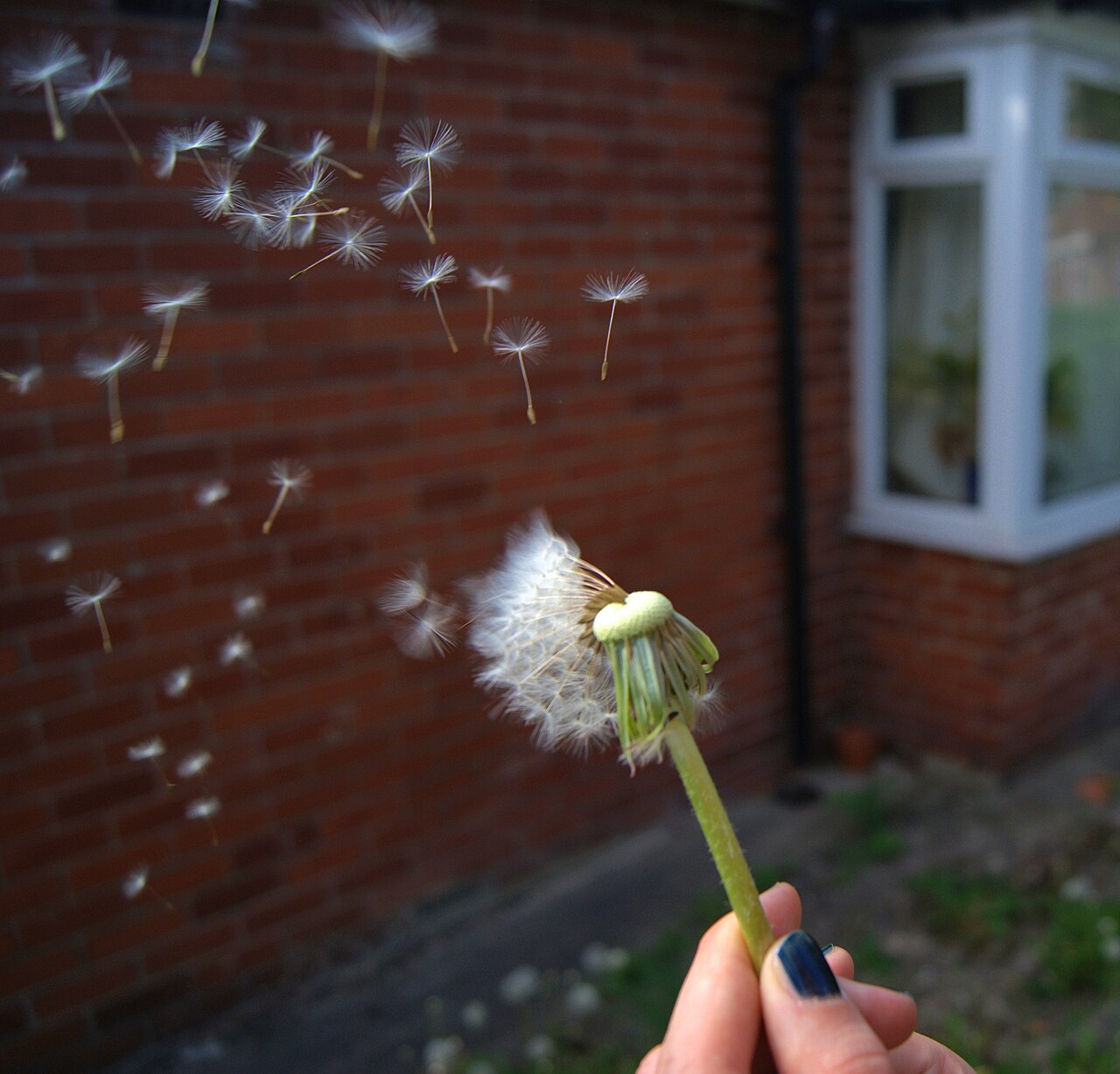
Alex Valavanis · CC BY-SA 2.0
Seed dispersal is the movement, spread, or transport of seeds away from the parent plant in spermatophyte plants. Plants have limited mobility and rely on a variety of dispersal vectors, including abiotic vectors like wind and biotic vectors such as birds. The patterns of seed dispersal are determined largely by the dispersal mechanism, with important implications for the demographic and genetic structure of plant populations, migration patterns, and species interactions.
- field
- Botany, Ecology
- known_for
- Movement of seeds away from parent plants via abiotic and biotic vectors
- modes
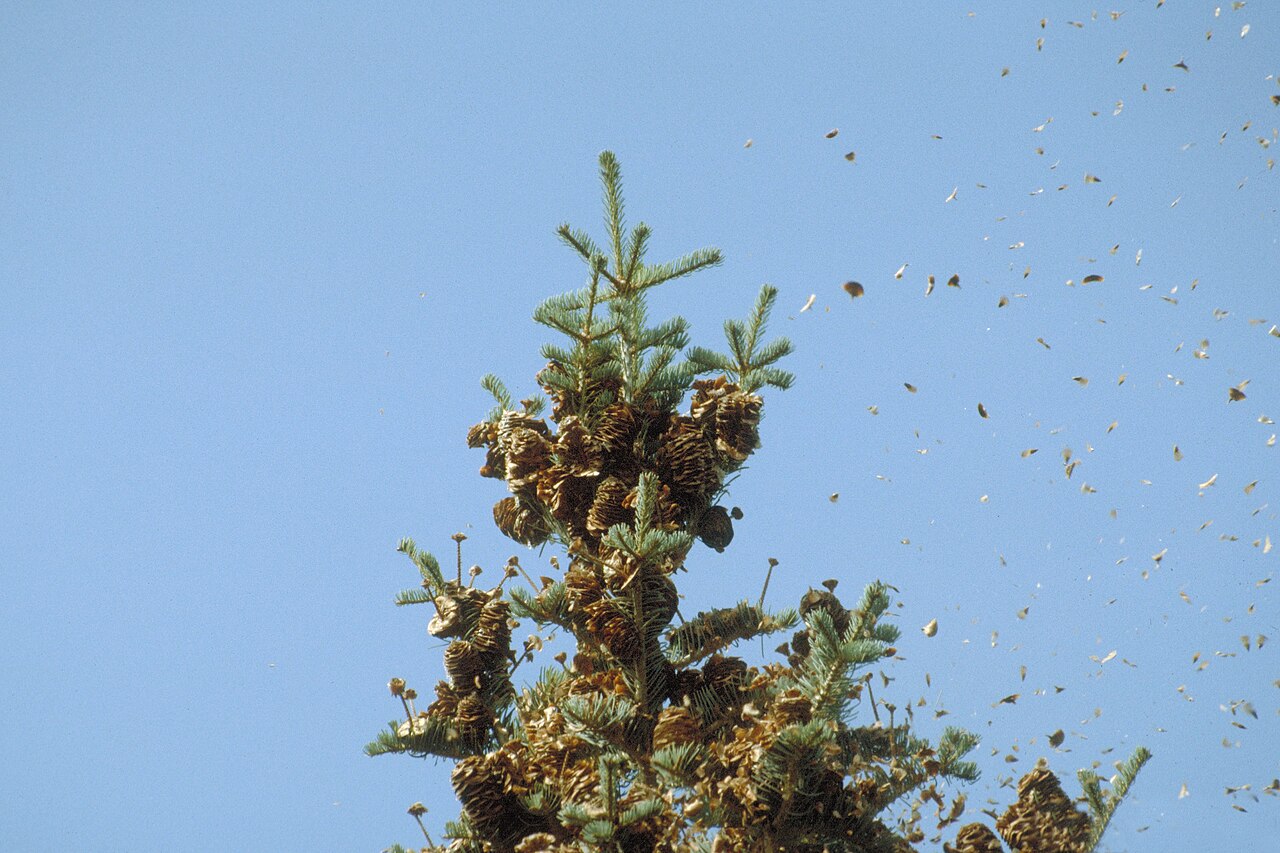
- Gravity, force, water, wind, animals, serotiny
- key_benefits
- Higher survival away from parent, directed dispersal, colonization of vacant habitats
Lore & Background
Seed dispersal occurs through multiple modes, including gravity (barochory), ballistic force (ballochory), water (hydrochory), wind (anemochory), and animals. Some plants are serotinous and only disperse seeds in response to an environmental stimulus. These modes are typically inferred based on adaptations such as wings or fleshy fruit, but the article notes that this simplified view may ignore complexity, as plants can disperse via modes without possessing the typical associated adaptations, and plant traits may be multifunctional.
Reader's Guide
Seed dispersal is significant because it allows plants to reach favorable habitats, reduce competition with parent plants, and colonize new geographic regions. Seeds dispersed farther from the parent plant have higher survival rates due to reduced density-dependent predation and pathogen pressure. Directed dispersal, such as that of Ocotea endresiana by the three-wattled bellbird, places seeds in microsites with better light and lower fungal pathogen risk. Endozoochory (dispersal in animal guts) often enhances germination amount, speed, and asynchrony. Myrmecochory (ant dispersal) buries seeds underground, protecting them from fire and drought and providing nutrient-rich microsites. Long-distance seed dispersal (LDD) can occur via proportional distance (the farthest 1% of seeds) or actual distance (at least 1 km), and sometimes through non-standard events like attachment to a mermaid purse. The evolutionary significance of LDD includes reduced neighbor competition, though specific traits and trade-offs affecting LDD evolution remain unclear.
Did You Know?
- Seeds dispersed by ants (myrmecochory) are buried underground, avoiding fire and drought and reaching nutrient-rich microsites.
- Long-distance seed dispersal can occur via non-standard events, such as seeds attaching to a shark or skate egg case.
- Some plants are serotinous and only disperse seeds in response to an environmental stimulus.
Defining the Dispersal Framework
Seed dispersal syndromes represent a set of morphological traits on seeds that are tightly linked to the specific agents responsible for moving them away from their parent plant. At its core, dispersal describes the process by which a new individual establishes itself in a location separate from where its parent grew, and the diaspore serves as the functional morphological unit that makes this movement possible. In many cases, the seed is packaged inside a fruit—a structure composed of nutritious tissue that attracts animals as a food source. However, not every dispersal syndrome involves a fruit, since numerous seeds are moved by non-animal vectors. The overarching goal of these traits is straightforward: the greater the distance a seed travels from its parent, the higher its probability of surviving and germinating. This principle also draws a parallel to pollination syndromes, both being plant-animal interactions that boost reproductive output, though dispersal syndromes appear more frequently in gymnosperms while pollination syndromes are characteristic of angiosperms.
Evolutionary Pressures Shaping Dispersal Traits
Plants have refined their seed traits over evolutionary time to attract and reward the animals that carry them, but this process is governed by a strict cost-benefit balance. A dispersal syndrome only becomes fixed in a species when the reproductive advantage it confers exceeds the energetic expense of producing it. For instance, larger seeds favored by mammal dispersers impose a significant production cost on the parent plant, effectively limiting how many seeds can be generated. The dispersers themselves exert powerful selective forces: birds, with their acute visual acuity, drive the evolution of fruit coloration. Green pigmentation arises as a low-cost byproduct of photosynthesis, while red coloration may emerge as a secondary protective mechanism against arthropod damage. For visible phenotypic differences to emerge between dispersers and non-dispersers, three conditions must align: the trait must genuinely enhance dispersal success, energy allocated to it must be diverted from other functions, and the trait must specifically benefit the disperser. External environmental factors, kin competition, intraspecific rivalry, and habitat quality can all contribute to observable variation.
Pioneers and the Building of a Discipline
The intellectual architecture of seed dispersal syndromes was laid by a succession of botanists spanning several decades. In 1930, Ridley published The Dispersal of Plants Throughout the World, a comprehensive treatment that catalogued every known dispersal pathway—wind, water, animals, birds, reptiles, fish, adhesion, and human-mediated transport—along with the morphological traits associated with each. This work planted the seed of the idea that specific seed characteristics are selected in association with particular dispersal mechanisms. Nearly four decades later, van der Pijl formalized the concept in his 1969 book Principles of Dispersal in Higher Plants, explicitly naming and classifying syndromes according to the dispersal agent involved, from invertebrates and fish to birds, mammals, ants, wind, water, and the plant itself. Janson extended this framework in 1983 by examining fruit size, color, and husk presence among Peruvian tropical forest species, focusing on bird- and mammal-dispersed plants. Willson, Irvine, and Walsh broadened the scope further in 1989, incorporating moisture levels, ecological context, and comparisons between bird-dispersed and mammal-dispersed fleshy fruits. Together, these researchers constructed the theoretical foundation that underpins modern understanding of plant reproductive evolution.
Wind and Gravity: Non-Animal Dispersal Syndromes
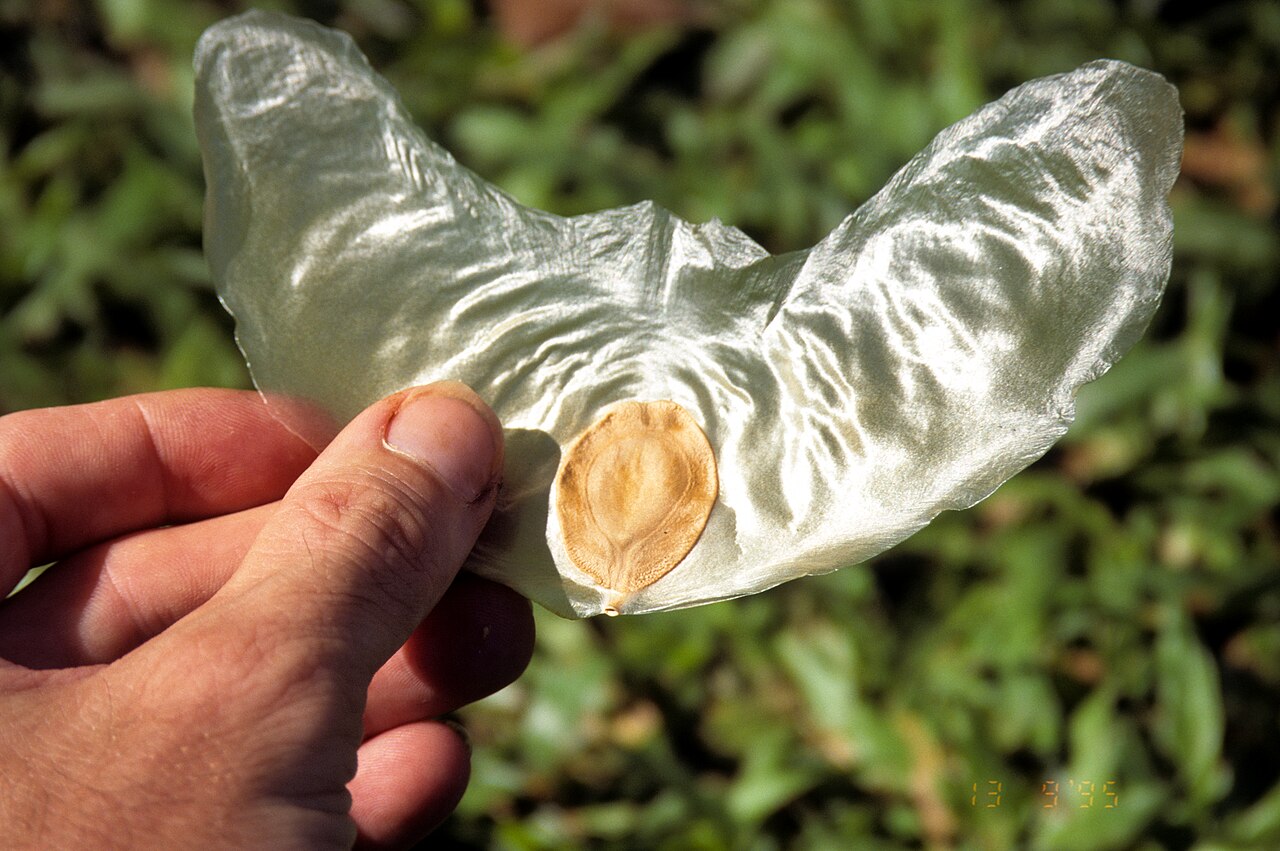
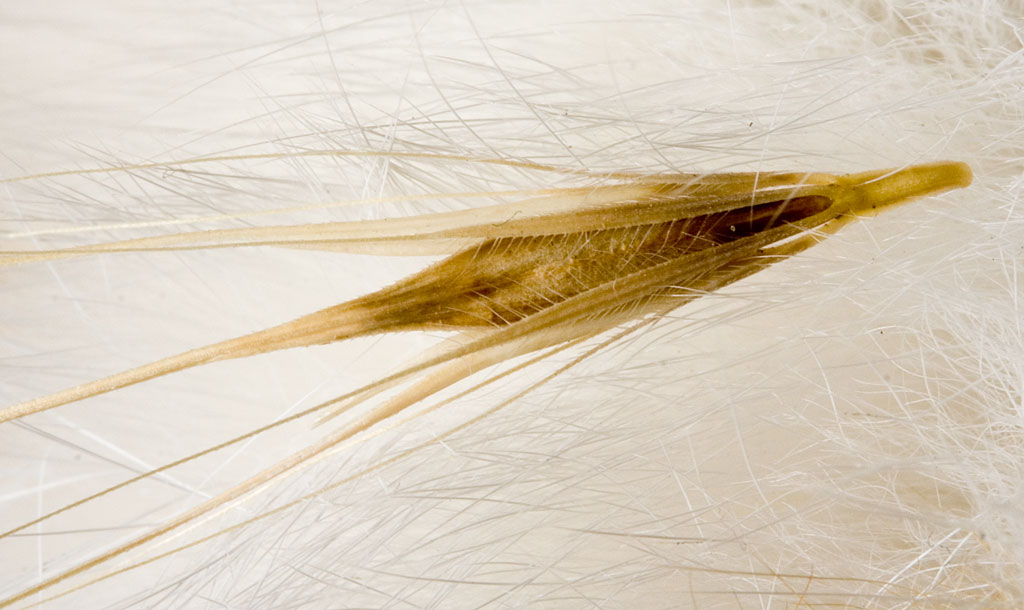
Not all seed dispersal relies on living vectors, and the syndromes associated with abiotic mechanisms reveal a different evolutionary logic. Anemochory, or wind dispersal, is characterized by seeds bearing wing structures and typically presenting in brown or dull coloration without the fleshy rewards that attract animals. Van der Pijl categorized these wind-dispersed seeds into functional groups—flyers, rollers, and throwers—each reflecting distinct morphological strategies. Among flyers, he distinguished dust diaspores (small, flat structures representing a transitional form toward wings), balloons (inflated seed features), plumes (hairy or elongated appendages), and true wings. These wing structures evolved specifically to extend dispersal distance and promote gene flow across populations. Anemochory predominates in open habitats, canopy-dwelling trees, and dry-season deciduous forests, with seeds maturing during the dry season to maximize the likelihood of long-distance transport and successful germination. Barochory represents the simplest mechanism: seeds rely solely on gravity, falling directly beneath the parent plant. These seeds typically possess heavy morphological traits, reflecting a dispersal strategy that requires no external vector and no energetic investment in attracting one.
Gallery
Frequently Asked Questions
Who is Seed dispersal?
Seed dispersal is the ecological process in which seeds are carried away from their parent plant so that new individuals can take root elsewhere. It applies to every seed-bearing plant (spermatophyte) and is a core mechanism in plant life cycles.
What are Seed dispersal's powers/role?
Its toolkit spans abiotic vectors such as wind, water, and gravity, mechanical ejection, and biotic agents like birds and other animals that carry or eat seeds. The specific mechanism chosen largely dictates the spatial pattern of where offspring end up.
How does Seed dispersal's story end?
The arc resolves when a seed successfully germinates and establishes in a new location, feeding into the demographic and genetic structure of the next plant generation. That outcome ripples outward, shaping migration routes and interspecies interactions across the ecosystem.
Why is Seed dispersal important?
Moving offspring away from the parent plant cuts down on local competition and boosts seedling survival odds. It also lets populations colonize vacant habitats and preserves genetic diversity both within and between populations.
What are Seed dispersal's key benefits for the wider 'cast'?
The main perks include higher survival for seedlings that land away from the parent, directed placement into suitable microhabitats, and the ability to reach entirely new ground. Serotiny—holding seeds in a sealed state until fire or another trigger releases them—stands out as a specialized strategy within this broader process.
More in Ecology And Behavior 25-38
Elsewhere in the Ecology And Behavior universe
Spotted an error? Know more?
This is a living reference — every entry is fact-audited, and reader corrections feed straight into our audit queue. Suggest an edit · See this site's audit record